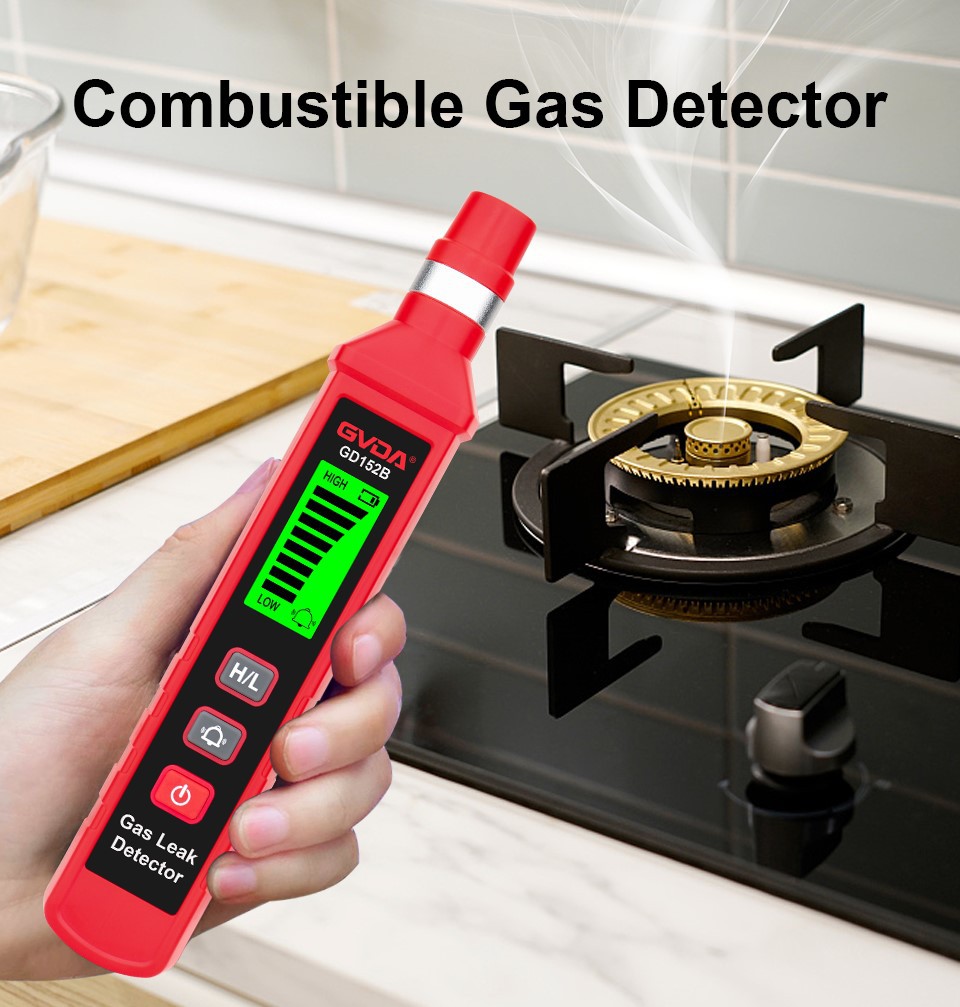
Troubleshooting Methods for Inaccurate Readings of Handheld Gas Detectors
1. Confirm whether the gas concentration on site is accurate. Sometimes there is a large difference between the theoretical value and the actual value. Verify the accuracy of the instrument by introducing standard gas or sending it to a third-party measuring institution for testing.
2. If the sensor has been used for a long time, there may be some measurement errors. It is necessary to confirm with the manufacturer whether the sensor can still be used before continuing to use it. If the sensor itself is approaching its service life, even if it can be used normally after calibration, it will not be able to be used normally for long. It is recommended to replace the sensor.
Alarm when the value is 0 or when the alarm value is not reached in the air
solution
1. Check if the alarm value has been modified.
2. Check the alarm method and whether the alarm mode has been modified.
3. Check whether the alarm status is concentration alarm or fault alarm. The concentration alarm will display the words AL or AH, and the red indicator light will flash. The fault alarm will light up the yellow light.
4. If the alarm is caused by human modification, it can be solved by restoring the factory settings. The fault alarm needs to be further checked for short circuit, open circuit, poor contact, sensor failure, etc
Due to the complex reasons for hydraulic oil contamination, and the continuous generation of pollutants in hydraulic transmission systems during operation, it is difficult to completely prevent contamination.
In order to extend the service life of hydraulic components and ensure the normal operation of hydraulic transmission systems, the degree of contamination of hydraulic oil should be controlled within a certain range.