What are "PPM" and "LEL" in gas detectors?
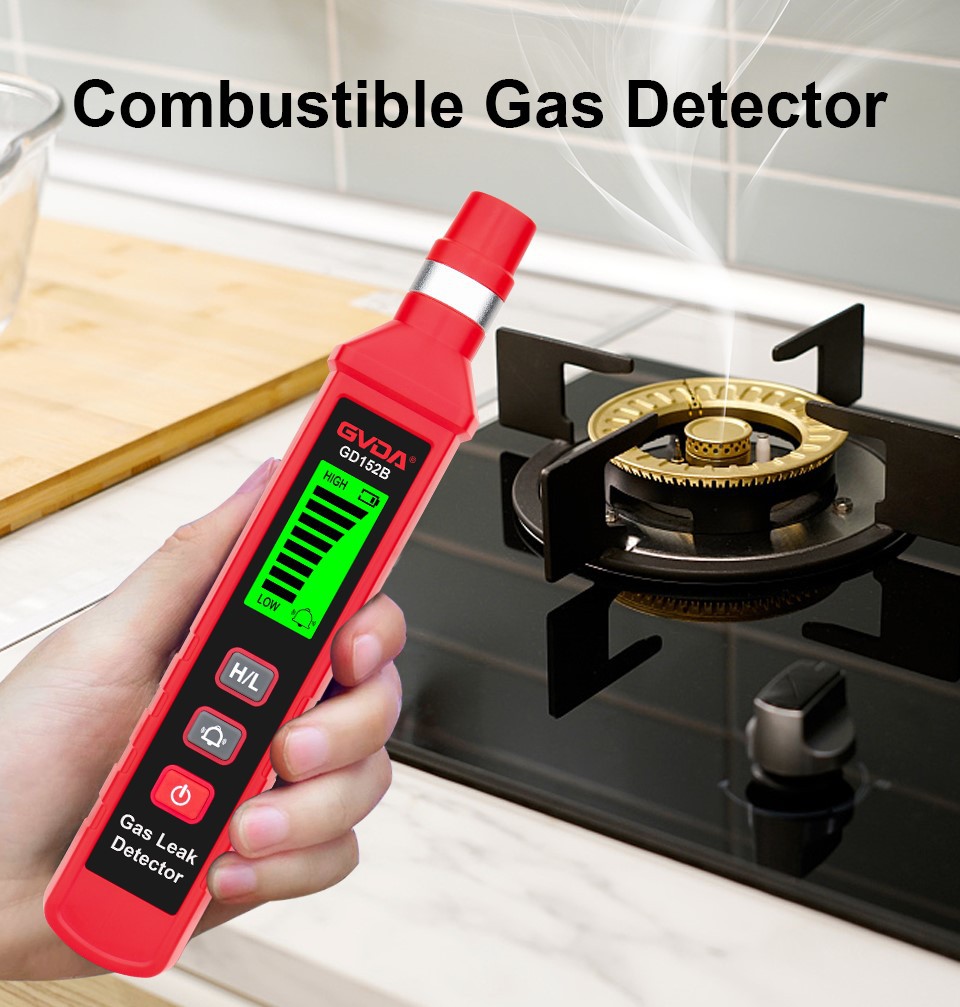
On gas detectors, we often see markings such as "PPM" and "LEL". So, what are "PPM" and "LEL"? Perhaps many people are not too clear about them. Below, the four in one gas detector will provide a detailed introduction to the specific meanings of these two words.
PPM "is the volume to concentration ratio. PPM "is a method of representing the concentration of a solution, PPM stands for parts per million. For a solution: if there is 1/1000 milliliter of solute in 1 liter of aqueous solution, the concentration is 1 PPM. For gases: one of the methods for representing the concentration of pollutants in the ambient atmosphere. Volume concentration representation method: The volume of pollutants contained in one million volumes of air, also known as PPM, is measured by most gas detection instruments as volume concentration (PPM). However, according to China's regulations, especially the environmental protection department, gas concentration is required to be expressed in units of mass concentration. Our country's standards and specifications also use mass concentration units to represent gas concentration. It is manufactured using the principle that the conductivity of some metal oxide semiconductor materials changes with the composition of the ambient gas at a certain temperature.
LEL "refers to the lower explosive limit. The minimum concentration of combustible gas that can explode when exposed to a spark in air is called the lower explosive limit, abbreviated as% LEL.
Therefore, when conducting explosion measurements, the alarm concentration is generally set below 25% LEL of the lower explosive limit. The measurement range of various combustible gas detectors is 0-100% LEL. Fixed combustible gas detectors usually have two alarm points: 10% LEL is the first level alarm, and 25% LEL is the second level alarm. Portable combustible gas detectors usually have an alarm point: 25% LEL is the alarm point.
For example, the lower explosive limit of methane is 5% by volume. That is to say, dividing this 5% by volume into one hundred equal parts, the 5% by volume ratio corresponds to 100% LEL. That is to say, when the detector value reaches the 10% LEL alarm point, the methane content is equivalent to 0.5% by volume at this time. When the detector value reaches the 25% LEL alarm point, it is equivalent to a methane content of 1.25% by volume at this time.
So, you don't have to worry about whether there is any danger at any time after the alarm. At this time, it is reminding you to take corresponding measures immediately, such as opening the exhaust fan or cutting off some valves. There is still a long way to go before the actual lower explosive limit where danger may occur. Only in this way can the alarm prompt be effective. Of course, protective measures should be taken, and the instrument should be checked in a timely manner after the event to see if calibration is needed.