What Are the Easily Overlooked Issues When Using a Combustible Gas Detector?
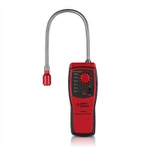
The main function of a combustible gas detector is to detect whether the concentration of combustible gases in the air has reached a certain dangerous value. When the concentration of combustible gases in the air reaches a certain level, the combustible gas detector will automatically sound and light an alarm, reminding people to take corresponding measures in a timely manner to avoid major accidents, thereby ensuring the safety of production in enterprises and the safety of workers.
Combustible gas detector is one of the commonly used safety equipment in chemical enterprises. Besides paying attention to daily maintenance and repair, there are always some issues that are overlooked during use.
1. The use of combustible gas detectors or portable combustible gas detectors in oxygen deficient atmospheric environments may result in combustible gas displays lower than the actual concentration. On the contrary, using a combustible gas detector in an oxygen rich environment may result in combustible gas readings that are higher than the actual concentration.
When the combustible gas reporting concentration instrument displays "out of range", the combustible gas sensor needs to be recalibrated. For example, in the process of using a combustible gas detector, the measurement range of the instrument is 0-100% LEL. When the actual concentration is higher than 100%, it will cause an excessive range. At this point, it is necessary to recalibrate the gas sensor.
3. The water vapor or other known impurities of silicone compounds may affect the normal operation of combustible gas detectors, resulting in readings lower than the actual gas concentration. If the instrument is used in a water vapor environment for silicone compounds, please recalibrate the instrument before the next use to ensure accurate measurements.