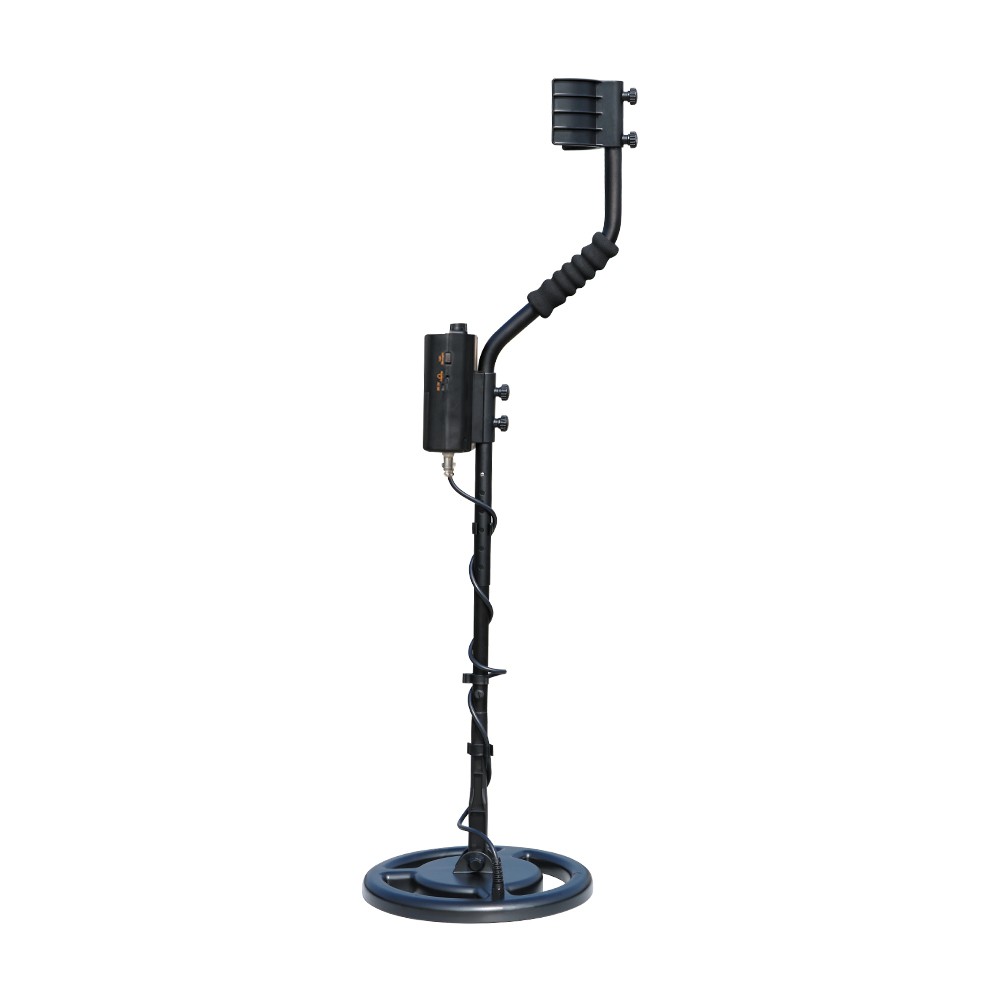
What can a metal detector detect?
Everyone knows that metal detectorists don’t want to dig out iron, and it happens that metal detectors can remove iron through settings. Xingbaolai will not make a sound, which greatly reduces useless digging.
Let’s talk about the distinction between non-ferrous metals. Everyone should know that different metals have different conductance and resistance values, so the electromagnetic induction and magnetic field changes they cause will be different. Naturally, the sounds emitted by the detector will also be different. Of course There is a more professional statement about this explanation, and if you are interested, you can check it yourself. Having said that, in addition to using different sounds to identify non-ferrous metals, and the current metal detectors have display screens, different metals will also have different numerical values, so that the metal that the target may be in can be identified. The type range informs the visiting player. Although non-ferrous metal objects can be distinguished by listening to the sound and looking at the value, most of the friend hunters cannot 100% tell what kind of metal they are detecting when they are outdoors, because many metal objects are not a single metal element, plus It has been buried in the ground for a long time, unknown changes have occurred, and the interference of the mineralization of the surrounding environment, etc., will affect the accuracy of the metal detector, and it can only be used as a reference for the approximate value of the metal, so what is it? We have to dig it out to find out.
Finally, the area, shape, and weight of metal objects have a great relationship with the detection results of metal detectors. Generally speaking, the larger the area, the greater the number, and the greater the corresponding detection depth; The smaller the number, the smaller the corresponding depth. For example, a pile of copper coins, a pile of silver dollars, such a large pile of metal accumulation, in the "eyes" of metal detectors, is a bright light in the dark night, which cannot be hidden. The signal was captured in minutes.
How many meters can the metal detector detect
How many meters underground can a metal detector detect? I believe that many friends are very concerned about this question and want to know the answer.
How deep underground metal detectors can detect is not only related to the detector itself, but also related to the detection environment and the detected metal. At present, the most widely used detectors for treasure hunting are those based on the principle of electromagnetic induction, while those based on the principle of pulse are relatively less used.
Underground metal detectors that use the principle of electromagnetic induction use a coil through which an alternating current passes to generate a rapidly changing magnetic field. The magnetic field of this underground metal detector can induce eddy currents inside metal objects. The eddy current will generate a magnetic field, which in turn affects the original magnetic field, causing the detector to beep.
Detection depth: The detection depth is the main basis for its judgment. If the detection depth is not enough, then it may not be detected at all, and other factors cannot be discussed. Generally speaking, if you detect a product with a burial depth of five meters, you need to purchase a metal detector with a depth of about eight meters to ensure its detection effect.
Different metal detectors can detect different depths. It is difficult to find metal buried in the ground by traditional methods, but as a professional detection tool, metal detectors can use the principle of electromagnetic induction to detect metal buried in the ground