What do VOL, VOL and LEL mean in gas detectors?
Firstly, let's talk about VOL. VOL refers to the volume percentage concentration of a certain gas in the air, usually expressed in%, such as Jinan Xiangkong laser methane detector and oxygen detector; The measurement range of the Xiangkong oxygen detector is 1-25% VOL, which means that this oxygen detector can be used in places where the proportion of oxygen in the air is between 0-25%.
What is ppm? Ppm refers to the concentration limit of gas in air, abbreviated as allowable concentration. As mentioned above, the measurement range of hydrogen sulfide and sulfur hexafluoride is usually expressed in ppm. Because these two gases may cause different gas leakage concentrations in different environments, Jinan Xiangkong supports multiple range options of 0-100, 500, 1000, 2000, and 5000 ppm.
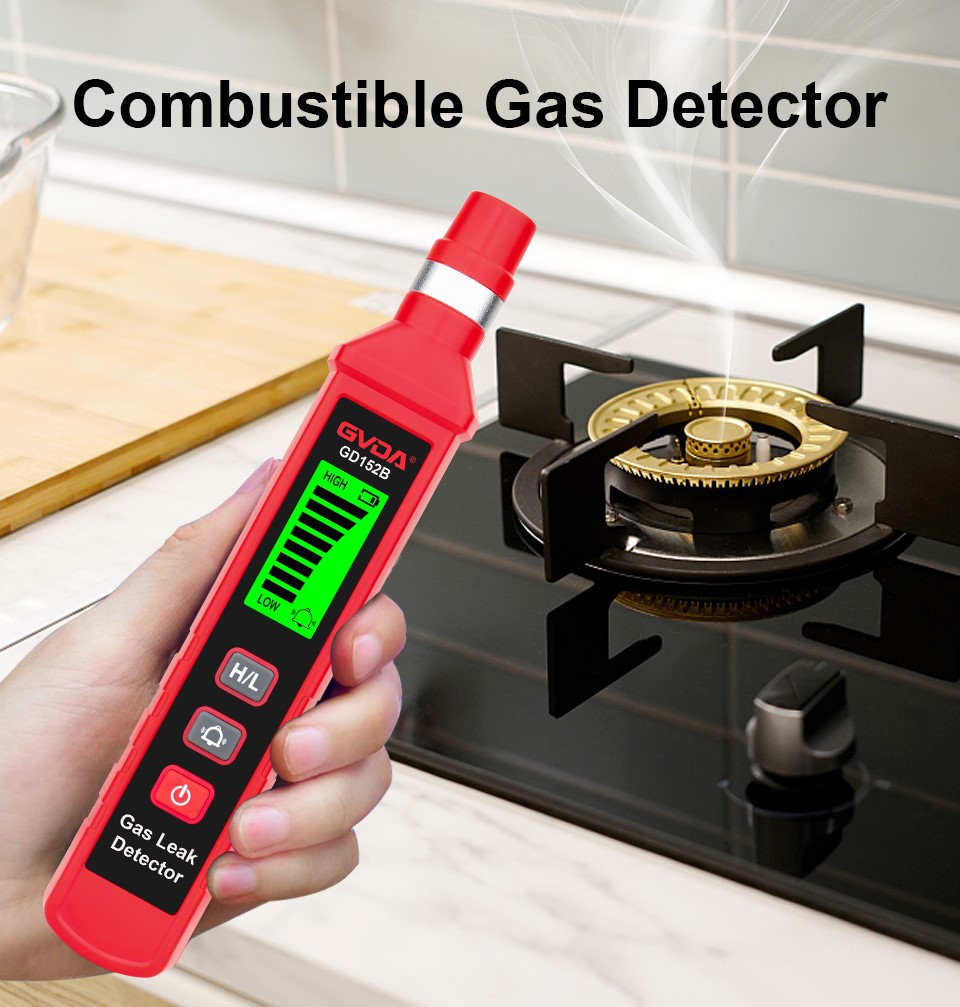
LEL refers to the concentration value of gas alarm, calculated in percentage. Its full name is Lower Explosion Limited, abbreviated as LEL. The measurement range of Jinan Xiangkong methane detector is 0-100% LEL. The lower limit of methane explosion is 5%, and the upper limit is 15%. Therefore, when the concentration of methane in the air is between 5% and 15%, it will explode when exposed to an open flame. When the concentration of methane in the air is below 5% or above 15%, it will not explode when exposed to an open flame.
Ppm, VOL, and LEL are all units of gas concentration. Is there any connection between them?
Before answering this question, let's first take a look at the conversion relationship between ppm, VOL, and LEL: because VOL% means percentage and ppm means parts per million, 10000ppm=1Vol. Therefore, the conversion relationship between VOL and ppm is: 1ppm=0.0001x100VOL, 1VOL=10000ppm. However, PPM and LEL cannot be directly converted, and LEL needs to be converted to VOL first, and then converted from VOL to PPM.