What factors affect the detection accuracy of gas detectors?
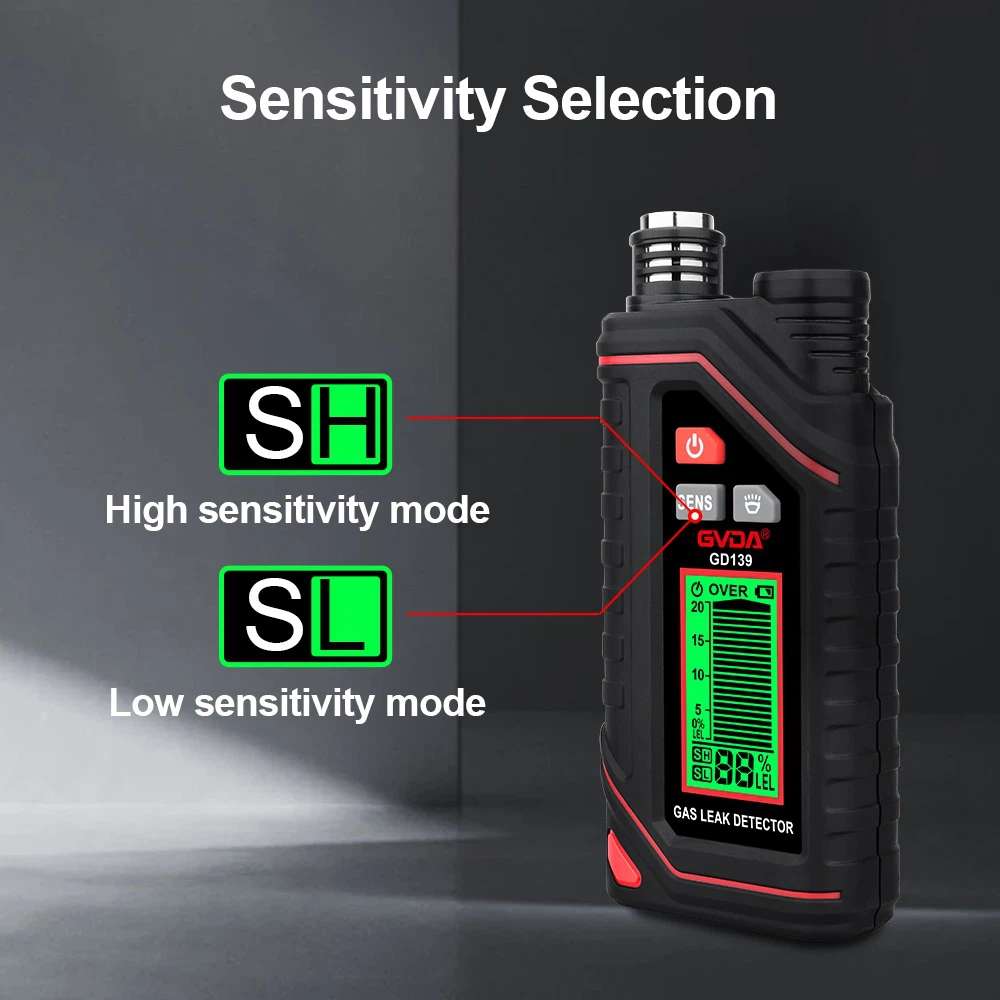
A gas detector is an instrument dedicated to detecting the concentration of toxic and harmful gases. Widely used in fields such as petroleum, chemical, metallurgy, and pharmaceuticals. This is an essential safety equipment for production lines, requiring gas detectors to maintain accuracy and stability in detection. However, the workshop environment is usually very poor. Many factors can easily lead to inaccurate gas detector detection, and special attention should be paid.
The common factors that affect the detection accuracy of gas detectors are:
1. Affects gas
Taking catalytic combustion methane detector as an example, it is mainly used to detect methane gas concentration, but it will react with all flammable gases. If the concentration of combustible gases in the air is too high, it will affect the correct measurement of methane gas concentration and cause instrument readings to deviate.
2. Changes in pressure
When the pressure changes strongly, it will affect the reading of the oxygen sensor and cause instability. Causing the detector to sound an alarm.
On the other hand, if the percentage of oxygen volume remains around 20% and the pressure drops too much, the oxygen people breathe can become a dangerous source
3. Influence of humidity
For example, when entering a humid environment from a dry environment, water vapor in the air will drive away oxygen, causing a decrease in oxygen readings. This can lead to errors in oxygen sensor values over time and also affect the detection of flammable gases. For example, catalytic combustion combustible gas detectors must perform accurate measurements with sufficient oxygen content
4. Temperature impact
Strong temperature fluctuations may lead to unstable instrument values. Although the oxygen sensor itself has some compensation for temperature changes, strong temperature fluctuations can still cause unstable readings.
In addition, gas detectors should be installed in different positions according to different gas types. If the location is installed incorrectly, not only can it fail to perform its detection function, but it can also cause false alarms or other malfunctions, damaging the instrument. Therefore, consumers must carefully read the product manual during the installation and use of gas detectors. If they do not understand the problem, they can consult specialized technicians or ask the manufacturer's customer service. They are not allowed to disassemble them at will.