What is a carbon dioxide gas detector and how does it work?
If carbon dioxide gas accumulation occurs in any area of industrial facilities or laboratories, it needs to be detected very quickly. If this situation does not occur, the danger may be enormous. Therefore, companies should ensure the installation of gas meter detectors not only in the vicinity of confined spaces but also in large open areas where equipment and personnel may exist. However, to ensure that the installed detector is suitable for the facility, it is important to have as much understanding of its functionality, characteristics, and reliability as possible.
Professional Technology
Due to the importance of carbon dioxide meter sensors, they are equipped with new electronic technologies. Due to the increasing importance of these sensors for numerous facilities in different industries, electrochemical technology has become the standard technology used in most sensors. Using this technology, multipath detection can be performed in all areas of the building. Due to the fact that electrochemical technology can detect CO2 accumulation very quickly using open paths and sample extraction methods, data can be transmitted in real-time and analyzed by monitoring center personnel to determine the measures to be taken.
Confined space monitoring
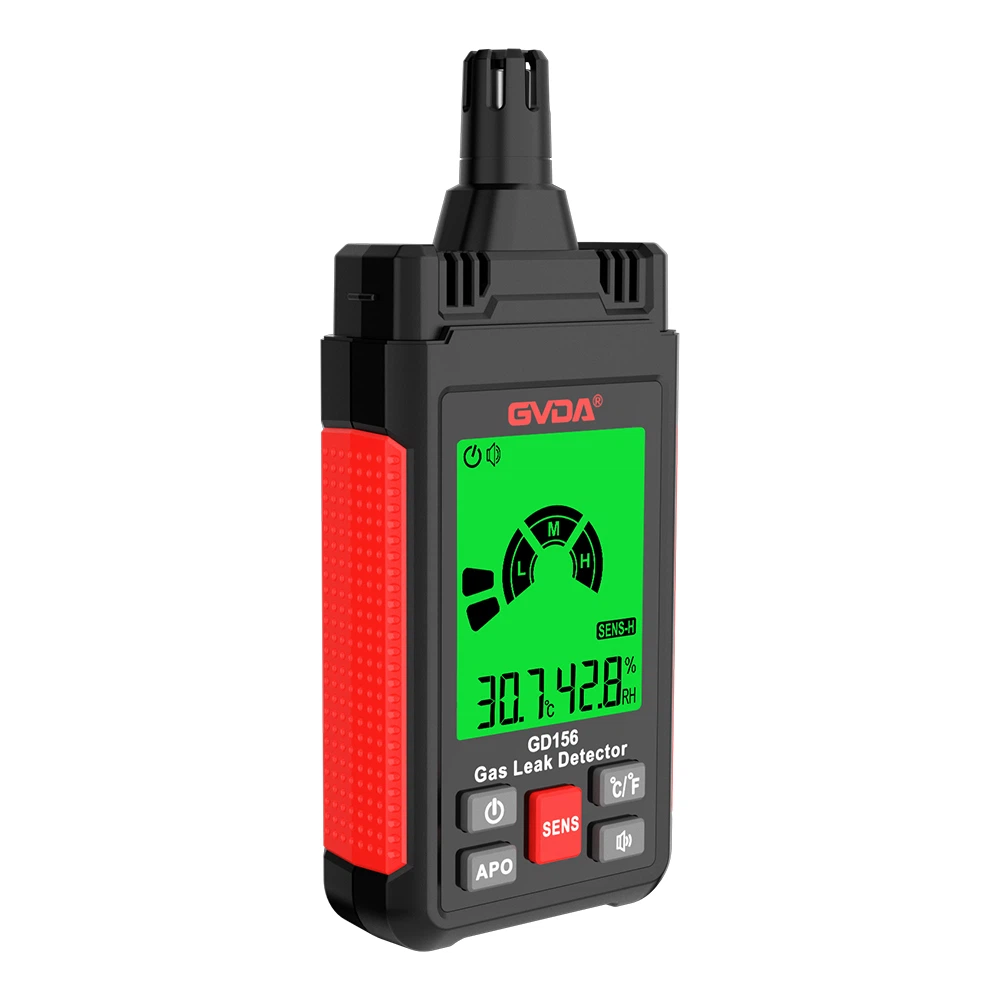
As engineers and technicians spend most of their time testing and testing various types of equipment in narrow spaces, it is also important to equip monitoring equipment in these areas. For many companies, handheld meter detectors have been proven to be very effective. It is compact and easy to use, allowing personnel working in confined spaces to closely monitor gas levels for signs of impending danger.
Wireless technology
Due to the large size of many industrial parks, warehouses, and other facilities, it is self-evident that engineers and other personnel can always access accurate and reliable data at any time. To this end, the facility utilizes wireless networks to allow smart meter detectors and their data to be linked to various mobile devices, including smartphones, tablets, and laptops. With this feature, real-time data will be continuously transmitted to these devices, allowing personnel to be in any area of the facility and still receive potential danger alerts.
Correct calibration
In order for the instrument detector to transmit accurate data to engineers and other personnel, it is necessary to always calibrate the instrument appropriately according to the working environment conditions. In most cases, this includes considering the following factors: extreme temperature, humidity, dust and dirt, as well as the potential impact and vibration of the equipment. In order to test the calibration of instruments, technicians usually use controlled gas samples and relay the information to the monitoring center.
Multiple alerts
Due to the different sizes and layouts of all facilities, it is necessary to provide many different types of alarm systems. For today's CO2 detectors, they include flashing lights, alarms, and strobe lights. These alarms can be deployed in areas where noise issues or workers are scattered over large areas, ensuring that regardless of current conditions, alarms about carbon dioxide gas accumulation are issued to workers.