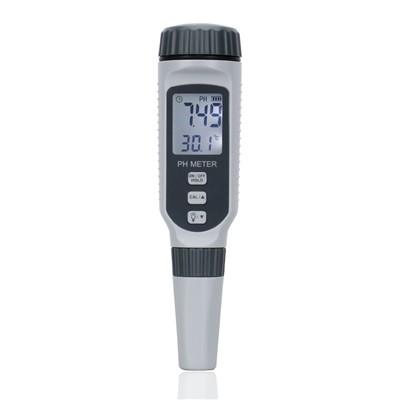
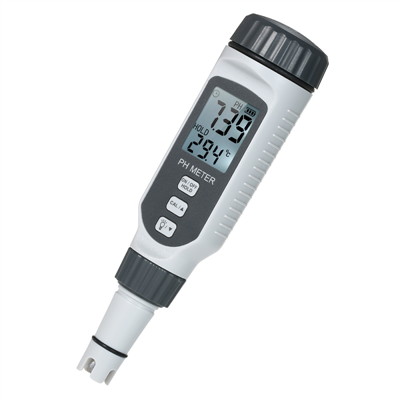
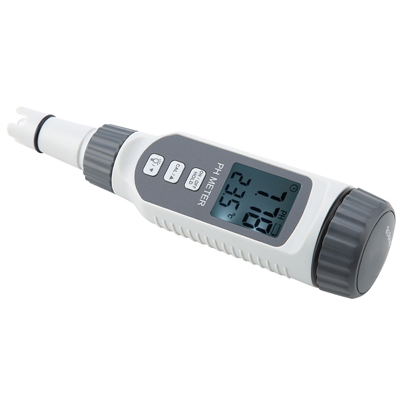
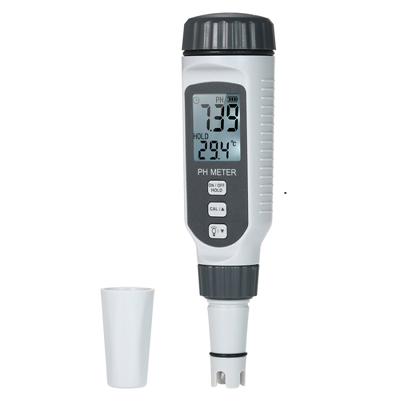
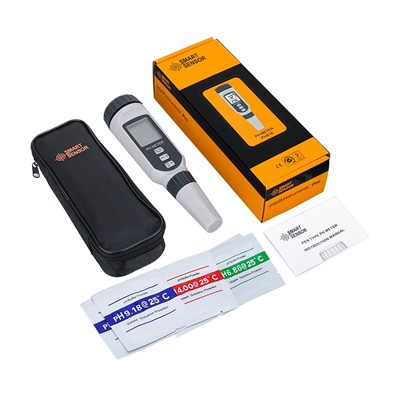
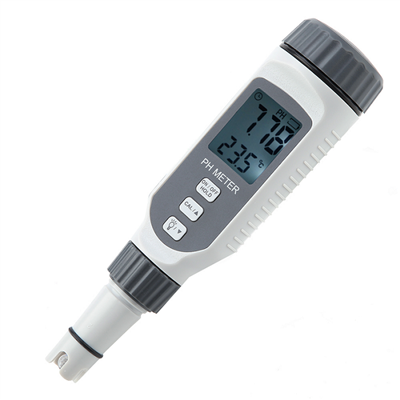
What is a pH combination electrode?
An electrode that combines a pH glass electrode and a reference electrode is called a pH composite electrode. The case with plastic shell is called plastic shell pH composite electrode. The one with glass shell is called glass pH composite electrode. The biggest advantage of the composite electrode is that it combines two into one and is easy to use. The structure of the pH composite electrode is mainly composed of electrode bulbs, glass support rods, internal reference electrodes, internal reference solutions, shells, external reference electrodes, external reference solutions, liquid junctions, electrode caps, electrode wires, sockets, etc.
⑴ Electrode bulb: It is made of molten lithium glass with hydrogen function and is spherical in shape, with a film thickness of about 0.1-0.2mm and a resistance value of <250 megohms (25°C).
⑵Glass support tube: it is the glass tube body that supports the electrode bulb. It is made of lead glass with excellent electrical insulation, and its expansion coefficient should be consistent with that of the electrode bulb glass.
(3) Internal reference electrode: It is a silver/silver chloride electrode, the main function is to lead out the electrode potential, which requires stable potential and small temperature coefficient.
(4) Internal reference solution: The internal reference solution with a zero potential of 7pH is a mixed solution of neutral phosphate and potassium chloride. The glass electrode and the reference electrode form a battery to establish a pH value of zero potential, which mainly depends on the pH of the internal reference solution value and chloride ion concentration.
⑸Electrode molded case: The electrode molded case is a shell that supports the glass electrode and the liquid junction, and holds the external reference solution, and is molded by PPS plastic pressure.
⑹External reference electrode: It is a silver/silver chloride electrode. Its function is to provide and maintain a fixed reference potential, which requires stable potential, good reproducibility, and small temperature coefficient.
⑺External reference solution: 3.3mol/L potassium chloride gel electrolyte, not easy to lose, no need to add.
⑻Sand core liquid junction: The liquid junction is the connecting part that connects the external reference solution and the measured solution, and requires stable penetration.
⑼ Electrode wire: It is a low-noise metal shielded wire, the inner core is connected to the inner reference electrode, and the shielding layer is connected to the outer reference electrode.