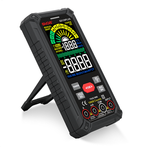
What is the cause of the failure of the combustible gas detector?
The combustible gas detector is a detector that responds to the concentration of a single or multiple combustible gases. When the combustible gas enters the detector, it will cause an oxidation reaction (flameless combustion) on the surface of the platinum wire, and the heat generated will increase the temperature of the platinum wire. High, and the resistivity of the platinum wire changes. However, failures will inevitably occur in the use of combustible gas detectors, so what are the reasons for the failure of combustible gas detectors?
1. In the process of using the combustible gas detector, attention should be paid to anti-electromagnetic interference. The installation position, installation angle, protective measures and system wiring of the combustible gas detector should prevent electromagnetic interference.
2. When the user is using the combustible gas detector, put the air conditioner and heating equipment close to the combustible gas detector. When using the air conditioner and heating equipment, if the cold and warm air flow directly blows through the combustible gas detector, there may be The resistivity of the platinum wire of the combustible gas detector changes and errors occur. Therefore, the combustible gas detector should be kept away from air conditioners and heating equipment to avoid malfunctions caused by improper installation.
3. When using the combustible gas detector, users should also pay attention to avoid places where high temperature, high humidity, steam, and oily smoke can reach. Do not place objects or hang objects on the alarm. The installed combustible gas detector cannot move the position of the device arbitrarily. When installing combustible gas detectors, try to choose products with replaceable sensor probes for ease of use.
4. During the construction process, the combustible gas detector has a detection failure during use. If the combustible gas detector is not installed near the combustible gas that is easy to leak from the equipment, or is installed adjacent to the exhaust fan during installation, the leaked combustible gas cannot be fully diffused near the combustible gas detector, so that the dangerous leakage cannot be detected by the combustible gas in time instrument detection.