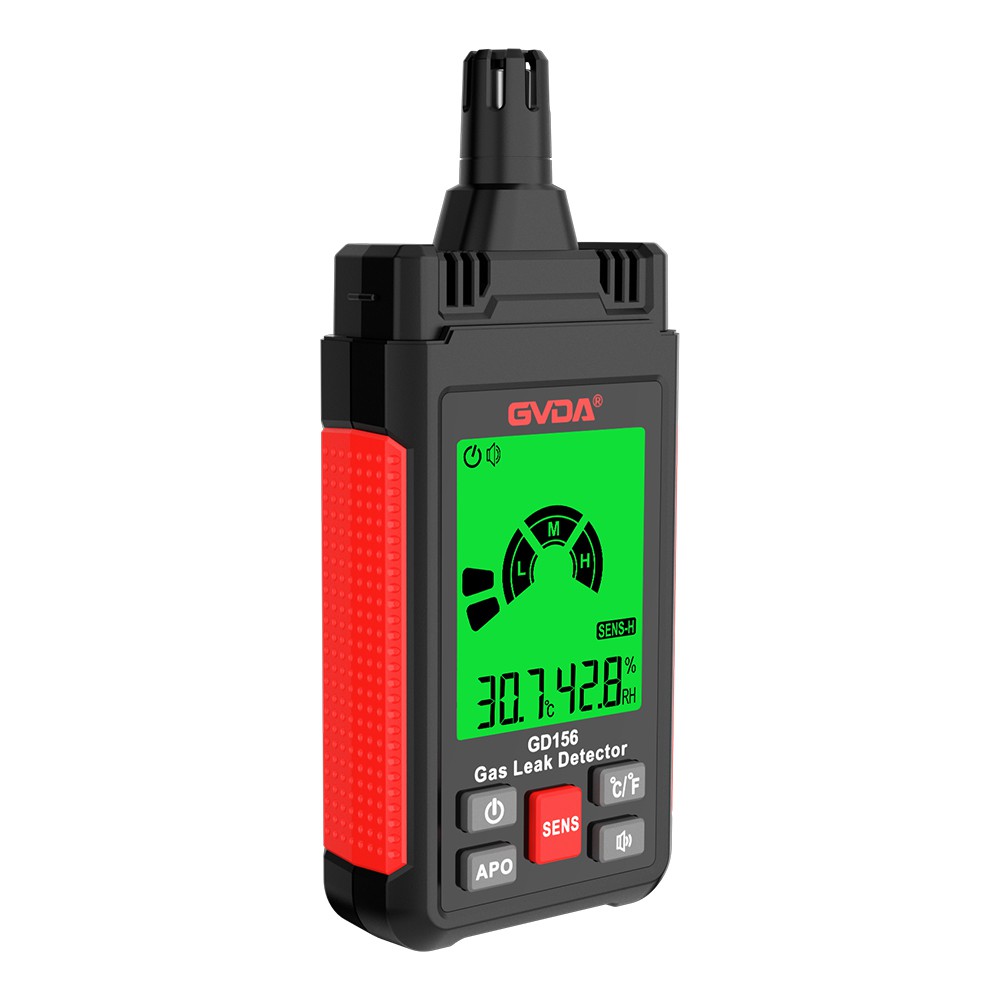
What is the difference between a diffuse gas detector and a pump-suction gas detector?
Portable detectors are divided into pump-suction gas detectors and diffuse gas detectors, so what is the difference between the two?
The scatter gas detector is that the gas in the detection area moves freely in the air and slowly flows the sample gas into the surface for detection. This method is affected by the detection environment, such as ambient temperature, airflow, etc. Its cost is relatively low.
The pump-suction gas detector is equipped with a small air pump. The working method is that the power supply drives the air pump to extract and sample the gas in the area to be measured, and then send the sample gas to the surface for detection.
The pump-suction gas detector is characterized by fast detection speed, and can carry out long-distance measurement of dangerous areas to protect the safety of personnel. Others are the same as the decentralized gas detector.
The working principle of the pump-suction and dispersive gas detectors is basically the same. The sensor of the instrument detects the sample gas and then expands the circuit and converts it into a corresponding value and displays it on the screen. Catalytic combustion sensors are commonly used for flammable gases, and electrochemical sensors are commonly used for toxic gases.
Selection essentials of household combustible gas detector
1. Understand the type of gas that needs to be detected
The first is the gas type. Users need to purchase equipment according to the type of gas used. Gas alarms are generally not universal. Because the composition of gas in different regions is different, gas alarms that are calibrated and tested with local gas components should be used.
Generally speaking, natural gas alarms are used in natural gas applications, artificial gas alarms should be used in artificial gas applications, and liquefied petroleum gas alarms or general combustible gas detection alarms calibrated with liquefied petroleum gas should be used in liquefied petroleum gas applications.
2. Understand the service life of the purchased instrument
When users choose to purchase gas alarms, they should pay attention to understand the long-term stability and service life of the alarms. Generally speaking, the service life of the detection components and compensation components such as the built-in combustible gas sensor in the combustible gas alarm is usually 3 to 5 years, and the service life of domestic and imported combustible gas sensors will be somewhat different. When buying, you should ask the seller to make a full understanding.