What is the service life of gas detectors?
A gas detector mainly includes electronic components and sensor heads. Taking the FG100 gas detector as an example, the average failure interval of electronic components is at least 30 years, but the sensor head is definitely not that long.
The service life of gas sensors depends on multiple factors: the technical principles used, the surrounding environmental conditions, and whether there is frequent presence of target gases. In terms of combustible gas detection, sensors using infrared detection technology will have a lifespan 2-3 times longer than sensors based on catalytic combustion principles, and infrared sensors will not lose their lifespan due to exposure to continuous or high concentrations of combustible gases. When there is a target gas around the catalytic combustion principle sensor for a long time, its lifespan will be shortened. If there are target gases in the surrounding environment of the same electrochemical sensor, its lifespan will also be shortened.
Another factor to consider is environmental temperature and humidity. If the temperature exceeds the normal operating range and the humidity is too high or too low, the lifespan of the sensor will also be shortened.
Although the specifications of the gas detector specify the lifespan of the sensor, the sensor probe is like a tire on a car and depends on factors such as road surface, mileage, and temperature. Generally speaking, the service life of electrochemical and catalytic combustion principle sensors is 2-3 years, while that of infrared principle sensors is about 5 years.
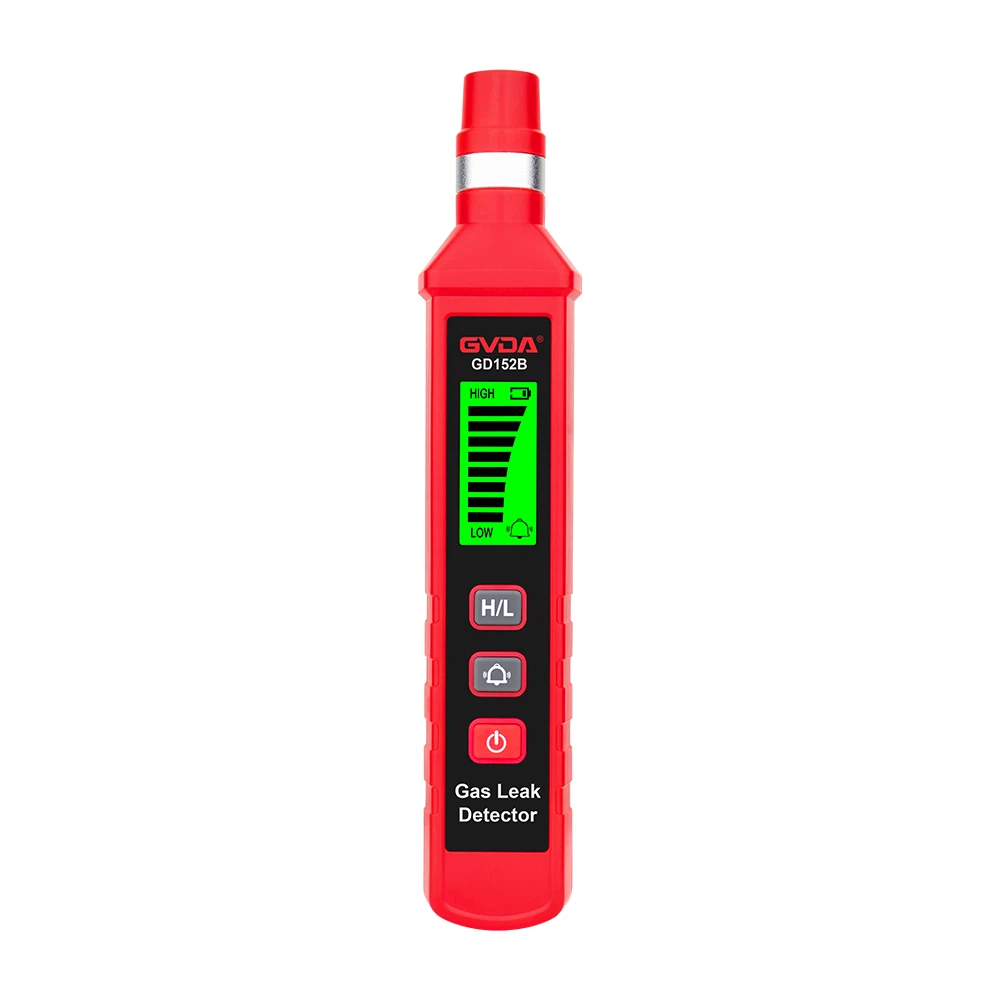
Gas detector is a tool for detecting gas leakage concentration, mainly referring to portable/handheld devices. Mainly using gas sensors to detect the types of gases present in the environment, gas sensors are sensors used to detect the composition and content of gases. It is generally believed that the definition of gas sensors is based on the classification of detection targets, which means that any sensor used to detect gas composition and concentration is called a gas sensor, regardless of whether it uses physical or chemical methods. For example, sensors that detect gas flow are not considered gas sensors, but thermal conductivity gas analyzers are important gas sensors, although they sometimes use generally consistent detection principles.