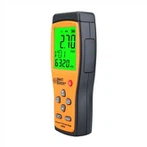
What problems should be paid attention to when using the electrode of the dissolved oxygen meter to measure
A dissolved oxygen analyzer measures the amount of oxygen dissolved in an aqueous solution, which is dissolved in water by the surrounding air, air flow, and photosynthesis. Through respiration and decomposition, dissolved oxygen will be consumed in water, mainly relying on air and photosynthesis to replenish. Dissolved oxygen meter is widely used in the measurement of dissolved oxygen content in various occasions, especially aquaculture water, photosynthesis and respiration and on-site measurement. The oxygen content in water depends mainly on the temperature. Warm water has a lower oxygen concentration than cold water. But too high dissolved oxygen content will be harmful to animals and plants. Therefore, when using it, it should be considered that the dissolved oxygen measurement will be affected by some factors, as described below.
The dissolved oxygen electrode uses a thin film to separate the platinum cathode, silver anode, and electrolyte from the outside world. Generally, the cathode is almost in direct contact with this layer of membrane. Oxygen diffuses through the membrane at a rate proportional to its partial pressure, the greater the oxygen partial pressure, the more oxygen permeates the membrane. When the dissolved oxygen continuously seeps through the membrane into the cavity, it is reduced on the cathode to generate a current, which is displayed on the meter. Since this current is directly proportional to the dissolved oxygen concentration, it is only necessary to calibrate the meter to convert the measured current into a concentration unit (the dissolved oxygen concentration is usually expressed in mg/L (dissolved oxygen per liter of water) or ppm (parts per million) how many).
Dissolved oxygen measurements can be affected by a number of factors:
Environmental Impact Adequate dissolved oxygen is essential to good water quality and all life forms require oxygen. The natural stream purification process requires proper oxygen levels to supply aerobic life forms. If the oxygen content in the water is lower than 5.0mg/L, it will be difficult for aquatic organisms to survive, and the lower the concentration, the more difficult it will be. If the oxygen content is lower than 1-2mg/L and lasts for several hours, it will lead to the death of a large number of aquatic organisms.
Applications Dissolved oxygen electrodes can be used to measure and monitor processes where oxygen levels can affect reaction rates, process efficiency, or the environment: e.g. aquaculture, biological reactions, environmental testing (lakes, streams, oceans), water/wastewater treatment, wine Production.
Temperature Compensation For standard dissolved oxygen measurements, temperature affects the solubility and diffusion rate of oxygen, so temperature compensation is necessary.
Salinity Correction The presence of dissolved salts limits the amount of oxygen that can dissolve in the water. The relationship between oxygen concentration and partial pressure varies with the salinity of each sample solution, so most meter manufacturers provide manual adjustment of salinity to correct for changes caused by different ion concentrations.
Biochemical Oxygen Demand (BOD) BOD testing is typically used in wastewater treatment plants where it is important to know the amount of oxygen that is consumed from the water by microorganisms as they break down organic matter. This test allows water treatment plants to determine the effectiveness of water treatment or the amount of contamination that remains. The relative oxygen demand of wastewater, effluent, and effluent can be determined by measuring the amount of dissolved oxygen in the sample at the beginning and end of a particular incubation period.
There are two ways to determine dissolved oxygen, polarographic and galvanic. Polarographic electrodes need the instrument to input a voltage to polarize the electrodes. Since the applied voltage may take 15 minutes to stabilize, polarographic electrodes are usually preheated before use to ensure proper polarization of the electrodes. The two poles of a galvanic cell consist of two different metals that can be polarized spontaneously to generate a voltage. Since the voltage of the galvanic electrode is generated spontaneously rather than provided by the outside, the "preheating" required for polarographic electrode polarization is not required when the galvanic electrode is used.
When using polarographic electrodes, warm up for at least 15-30 minutes before calibration or measurement.
In order to ensure that there are no air bubbles in the electrolyte of the membrane, the design of the ASI membrane cap requires that all the air in the liquid cavity should be excluded when the membrane head is installed. There must not be any air bubbles left on the surface of the membrane, or it will read the air bubbles as oxygen saturated samples. Even if you are using a meter with automatic temperature compensation, calibrate the electrode at a temperature close to that of the sample solution. The electrode should be calibrated in air, with air as the standard point of 100% saturated dissolved oxygen. Due to the consumption of oxygen by the electrode, the concentration of oxygen on the surface of the probe will decrease instantaneously, so it is very important to stir the solution during measurement. Replace the membrane if it is damaged.
The dissolved oxygen meter electrode can be used to measure the dissolved oxygen content in the aqueous solution of the tested sample in the field or in the laboratory. Therefore, dissolved oxygen electrodes can be used to measure and determine the concentration of dissolved oxygen when evaluating the ability of streams and lakes to support the survival of organisms in streams and lakes. and the temperature of the aqueous sample solution.