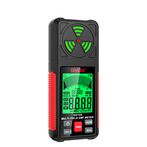
What range should be used to measure resistance with a multimeter?
A multimeter is a commonly used electrical measuring instrument for measuring basic electrical parameters such as voltage, current, and resistance. It typically consists of a digital display, rotary knobs for selecting ranges, measuring leads, and measuring plugs.
When using a multimeter, it is essential to first select the correct measurement range and gear to ensure accurate and safe measurement results. Next, connect the test leads to the corresponding measurement points in the circuit under test, ensuring a secure connection.
Depending on the measurement needs, you can select measurement modes such as DC voltage, AC voltage, DC current, AC current, or resistance, and take and record the corresponding readings.
During the measurement process, it is important to maintain a stable measurement environment and avoid external interference that may affect the measurement results. At the same time, attention should be paid to safe operation to prevent touching live parts or high-voltage circuits, in order to avoid the risk of electric shock.
The multimeter is a powerful and widely used electrical measuring tool. By reasonably selecting measurement modes and ranges, it can accurately measure various electrical parameters in circuits, facilitating circuit debugging, troubleshooting, experimental research, and more.
When using a multimeter, it is necessary to operate carefully to ensure safety and accuracy.
What gear should be used to measure resistance with a multimeter
When using a multimeter to measure resistance, it is necessary to select the appropriate resistance measurement range. Generally speaking, the range can be selected according to the following steps:
Understand the approximate range of the resistance to be measured: By understanding the circuit or components, estimate the approximate order of magnitude of the resistance to be measured.
Select a higher measurement range: Based on the estimated resistance range, choose a measurement range that is slightly larger than the range to avoid inaccurate results caused by measurements exceeding the range.
Gradually adjust the gear as needed: If the initially selected gear displays a value that is too small or too large, you can gradually adjust it to a more suitable gear to obtain a more accurate measurement result. Generally, after obtaining a relatively close value, the measurement will be maintained at the lower gear closest to that value.
The specific operation method for selecting gears may vary depending on different models of multimeters, so please refer to the corresponding instrument manual for specific operational guidance.