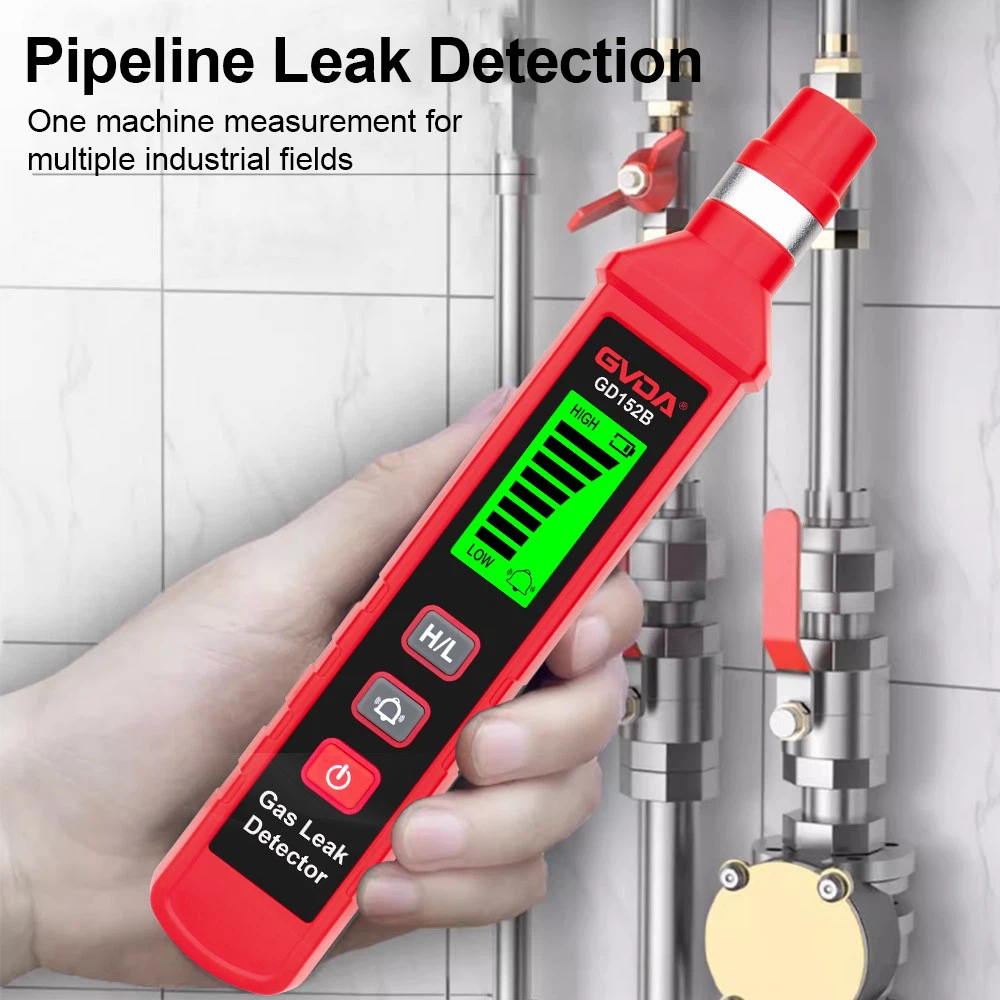
What should be noted when using a toxic gas detector?
Toxic gas detectors are mainly used to detect various toxic and harmful gases in industrial environments.
It is widely used in various industrial fields such as medicine, chemical industry, petroleum, natural gas, fire protection, etc. It can detect the concentration of various toxic gases in the environment to protect our safety.
So what are the issues to pay attention to when using a toxic gas detector? Today, the editor of Ousenjie has compiled a list to share with everyone. Let's take a look together.
Pay attention to calibration and testing standards
Like other analytical detectors, toxic gas detectors measure by relative comparison: during the measurement process, the instrument compares the electrical signal of the measured gas concentration with the electrical signal of the standard concentration and calculates the accurate gas concentration.
Therefore, zero calibration of the instrument should be carried out at any time and the instrument should be calibrated regularly to ensure accurate measurement.
Pay attention to the service life of various sensors
Various gas sensors have a certain service life. Generally speaking, in portable gas detectors, LEL sensors have a long lifespan and can be used for about three years; The lifespan of electrochemical specific gas sensors is relatively short, generally one to two years; The lifespan of oxygen sensors is the shortest, about one year.
Pay attention to the detection interference between different sensors
Generally speaking, each sensor corresponds to a specific gas detection. Therefore, when selecting a gas sensor, it is important to understand the detection interference of other gases on the sensor as much as possible to ensure accurate detection of specific gases.