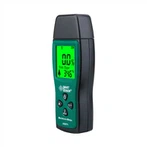
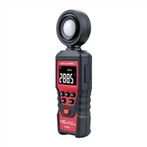
1. Selection of the environment where the noise meter is used: Select a representative test site. The noise meter should be left off the ground and the wall should be opened to reduce the additional influence of the reflected sound from the ground and the wall.
2. Weather conditions require that when there is no rain or snow, the noise meter should keep the microphone diaphragm clean, and a wind hood must be added to avoid wind noise interference when the wind is above level 3. The measurement should be stopped for strong winds above level 5.
3. Open the carrying case of the noise meter, take out the sound level meter, and put on the sensor.
4. Put the noise meter in A state, check the battery, and then calibrate the noise meter.
5. Adjust the measurement range according to the comparison table (the common ambient sound level reference).
6. You can use fast (measure the instantaneous value of the environment where the sound pressure level changes greatly), slow (measure the average value in the environment where the sound pressure level changes little), pulse (measure the pulse sound source), filter ( Measure the sound level of the specified frequency band) various functions to measure.
7. Record data as needed, and can also connect to a printer or other computer terminals for automatic collection. Organize equipment and put it back in the designated place.