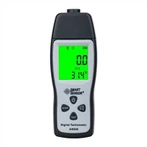
Which gases is the composite gas detector capable of detecting?
What kinds of gases can the composite gas detector detect? The composite gas detector can detect the concentration of multiple gases. Common gases such as carbon monoxide, oxygen, hydrogen sulfide, combustible gas, carbon dioxide, methane, nitric oxide, hydrogen and other gases can also detect phosgene, sulfur dioxide, benzene, ozone, formaldehyde and other gases, produced by Yingrun Environmental Protection Company Take the composite gas detector sold as an example, which can detect more than 500 kinds of gases, and can detect up to 18 kinds of gases at the same time, meeting the needs of users.
The gas detector mainly plays an early warning role and is mainly used in the following scenarios: detection of gas leakage in the environment: a leakage alarm is installed in the warehouse, equipment pipeline and other environments where the gas is stored, and the instrument will send out an alarm signal when a gas leak occurs to remind relevant security personnel .
Detect the gas in the limited space before entering: When someone needs to enter the limited space such as sewer, biogas digester, cable trench, fermentation tank, etc., it is necessary to detect whether the oxygen in it is sufficient, whether there is dangerous gas or whether the concentration of dangerous gas will affect the bodily harm, etc.
Detect residual harmful gas or flammable gas after equipment maintenance: for example, before hot work, after maintenance of equipment for transporting or storing gas, etc.
Emergency or itinerant detection: Portable gas detectors are often used when there are abnormalities at the production site, regular safety inspections, etc.
When detecting gas, the gas detector mainly uses the gas sensor inside the instrument for detection. The most suitable gas sensor is selected according to the type of gas to be measured, the accuracy range and the working conditions on site. The sensor will recognize the gas concentration signal through various principles. It is converted into an electrical signal and then displayed on the instrument display. Common sensor detection principles include electrochemical, catalytic combustion, infrared, thermal conductivity, PID photoion and other types.