Why, while using an electric soldering iron, does the tin always stick to the soldering head?
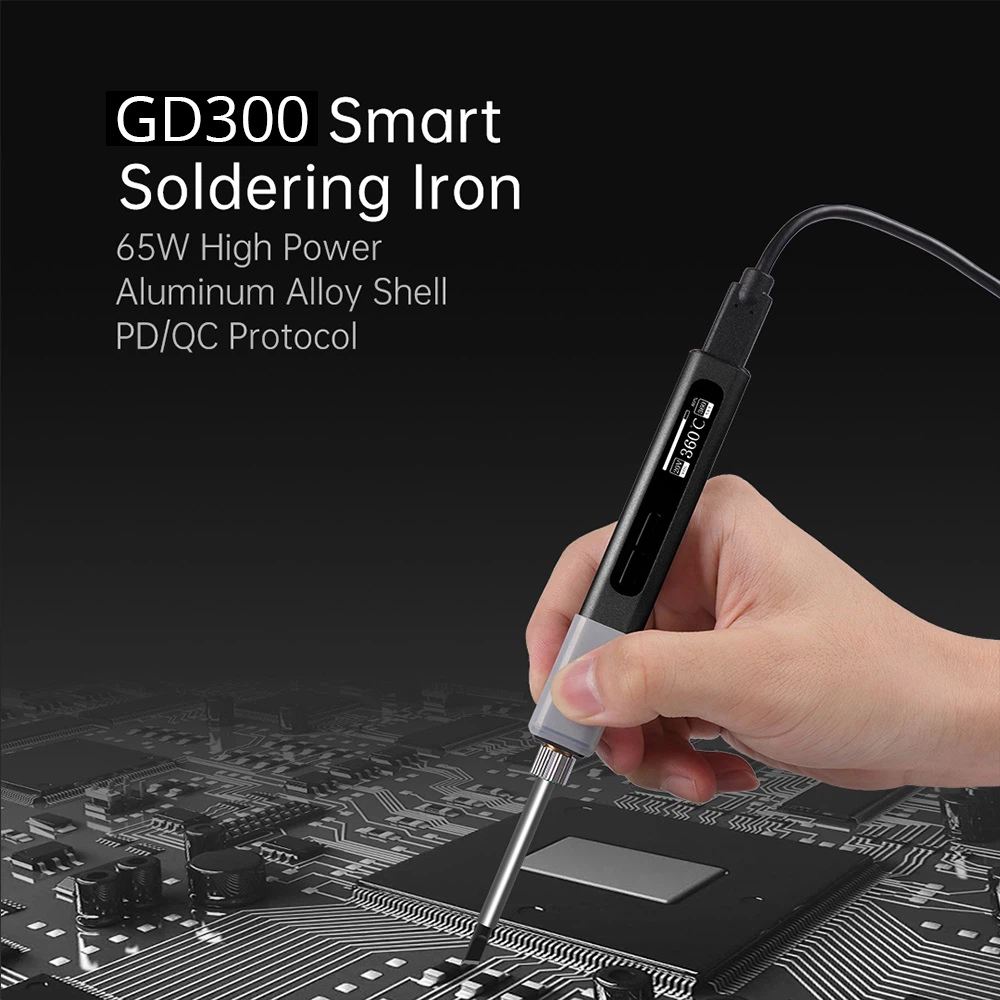
The tip of the soldering iron will fast rust owing to high temperature if the welding head of the electric soldering iron does not consume tin. commonly referred to as "burned to death" The soldering iron's tip oxidizes and gets black, making it challenging to melt and solder before. You'll discover that the old iron is extremely hot, and even tiny particles can ignite sparks! But it can't be hot, can it? In order to prevent oxidation, the soldering iron tip must maintain a thin layer of tin film. When welding, the heat can be quickly transported outside to guarantee the integrity of the weld.
You also mentioned that there would always be extra solder on the soldering iron's tip, which is a common occurrence. When soldering, melted solder always flows from a low-temperature area to a high-temperature area. Consequently, we can benefit from this feature. Use a soldering iron to suction away some of the solder from the original pins when fixing the circuit board and removing components. Of course, it will be preferable to remove the solder using a tin absorber and a tin absorber.
We can employ the technique of gently shaking the soldering iron and using inertia to shake off the surplus solder on the soldering iron tip after the soldering iron tip absorbs any extra solder. Typically, shake your wrist quickly after dipping the soldering iron tip in rosin. Put the solder in the rosin container. We can use the tip of the soldering iron to eat solder in the rosin and then straight eat tin or solder for the original pins to make up for it when we need to eat tin for the original wires, pins, or to solder the originals on the circuit board. and so forth.
When the solder is insufficient, you can consider supplementing it with tin wire.