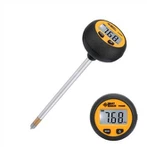
Wide application and selection of infrared thermometer guns
Application areas of infrared thermometers
Infrared thermometers have proven to be an effective tool for detecting and diagnosing malfunctions in electronic equipment. You can save a lot of money. With an infrared thermometer, you can continuously diagnose electrical connection problems and test the functional status of your uninterruptible power supply (UPS) by looking for hot spots at the output filter connection on the DC battery. You can test the battery. Component and power distribution panel terminal blocks, switch gears or fuse connections to prevent energy consumption; as loose connectors and combinations generate heat, infrared thermometers help identify insulation faults in circuit interrupters. Or monitor electronic compressors; daily Scanning the transformer for hot spots detects cracked windings and terminals.
How to measure temperature with infrared thermometer
Point measurement: Determining the entire surface temperature of an object, like an engine or other equipment
Differential temperature measurement: comparing measured temperatures at two independent points, like a connector or circuit breaker
Scanning measurement: Detect target changes in a wide area or continuous area. Like refrigeration lines or electrical distribution rooms.
Main considerations when choosing an infrared thermometer
-Temperature range: The temperature range of Fluke and Optus products is -500 to 3000 degrees (segmented). Each type of thermometer has its own specific temperature measurement range. The temperature range of the selected instrument should match the temperature range of the specific application.
-Target size: When measuring temperature, the target to be measured should be larger than the field of view of the thermometer, otherwise there will be errors in the measurement. It is recommended that the size of the measured target exceeds 50% of the field of view of the thermometer.
-Optical resolution (D:S): The ratio of the diameter of the thermometer probe to the target. If the thermometer is far from the target and the target is small, a high-resolution thermometer should be selected.
Tips for measuring temperature
-When measuring the surface temperature of luminous objects, such as aluminum and stainless steel, the reflection from the surface will affect the reading of the infrared thermometer. Before reading the temperature, you can place a tape on the metal surface. After the temperature is balanced, measure the temperature in the tape area.
- If the infrared thermometer can move back and forth from the kitchen to the refrigerated area and still provide accurate temperature measurements, it must be measured in the new environment after a period of time to reach temperature equilibrium. It is best to place the thermometer in a frequently used place.
- Use an infrared thermometer to read the internal tempera
ture of liquid foods, like soups or sauces, which must be stirred, and then measure the surface temperature. Keep steam away from the thermometer to avoid contaminating the lens and causing incorrect readings.