Principles of Linear Power Supplies vs. Switching Power Supplies
About Linear Power Supplies
I. Introduction to linear power supply:
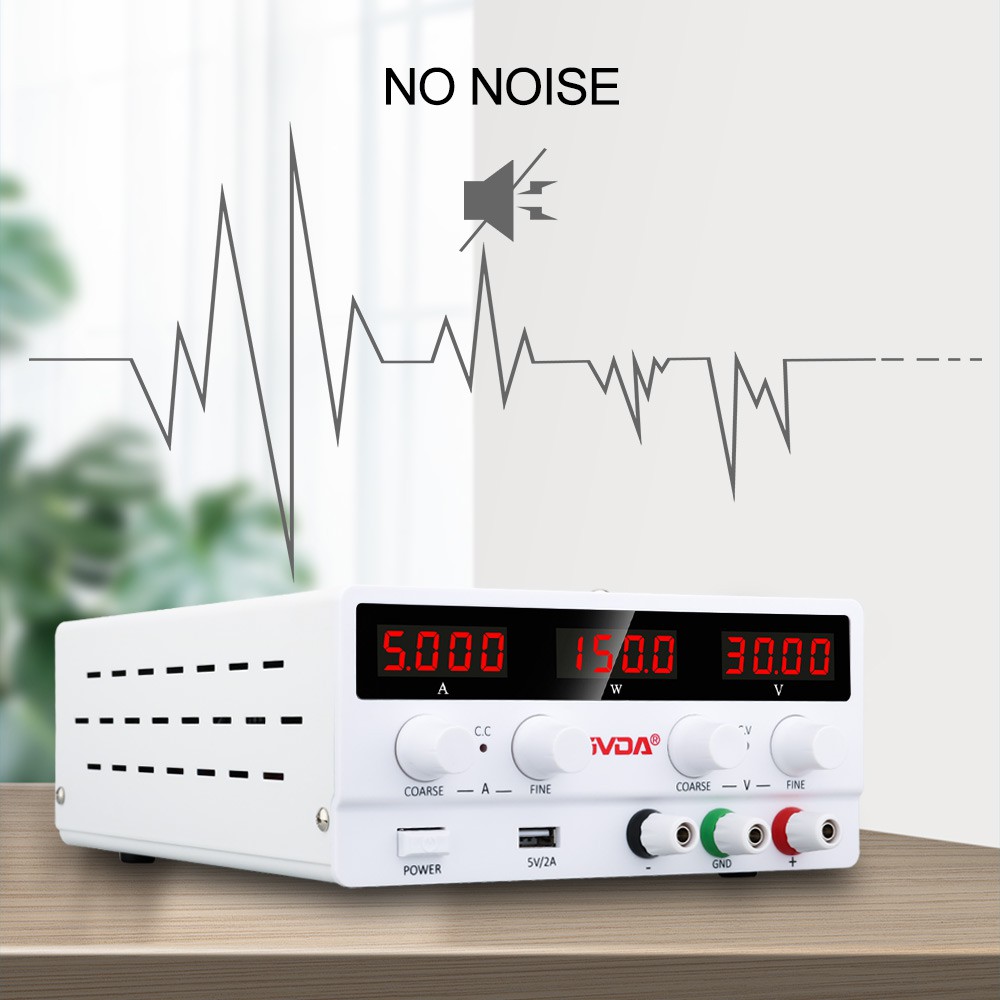
Linear power supply is the first AC power through the transformer transformer, and then through the rectifier circuit rectifier filter to get unstabilized DC voltage, to achieve high precision DC voltage, must be adjusted by the voltage feedback output voltage. From the main performance, this power supply technology is very mature, can achieve a high degree of stability, the ripple is also very small, and there is no switching power supply has the interference and noise. Voltage feedback circuit is working in the linear state, there is a certain voltage drop on the adjustment tube, in the output of a larger operating current, the power consumption of the adjustment tube is too large, low conversion efficiency.
Linear power supply means that the tubes used for voltage adjustment work in the linear region. Corresponding to the switching power supply is used for voltage regulation of the tube working in the saturation and cut-off region, that is, the switching state.
Linear power supply generally samples the output voltage and sends it to the comparative voltage amplifier with the reference voltage, and the output of this voltage amplifier is used as the input of the voltage regulator to control the regulator so that the junction voltage changes according to the change of the input to adjust the output voltage. However, a switching power supply changes the output voltage by changing the on and off time of the regulator, i.e., the duty cycle.
The tubes used for voltage regulation in a linear power supply operate in the linear region. The corresponding switching power supply is a power supply in which the tubes used for voltage regulation operate in the saturation and cut-off regions, i.e., in the switching state.
Linear power supply generally samples the output voltage and sends it to the comparative voltage amplifier with the reference voltage, and the output of this voltage amplifier is used as the input of the voltage regulator, which is used to control the regulator so that the junction voltage changes according to the change of the input, and thus the output voltage is adjusted. But the switching power supply is to change the output voltage by changing the on and off time of the regulator, i.e., the duty cycle to change the output voltage.
Second, the principle of linear power supply: linear power supply mainly includes frequency transformer, output rectifier filter, control circuit, protection circuit and so on. Linear power supply is the first AC power through the transformer voltage, and then rectified by the rectifier circuit rectifier filter to get unstabilized DC voltage, in order to achieve high precision DC voltage, must be adjusted through the voltage feedback output voltage, this power supply technology is very mature, can achieve a high degree of stability, ripple is also very small, and there is no switching power supply has the interference and noise. But its disadvantage is the need for a huge and bulky transformer, the volume and weight of the required filter capacitors is also quite large, and voltage feedback circuit is working in a linear state, there is a certain amount of voltage drop on the adjustment tube, in the output of a larger operating current, resulting in the adjustment of the tube is too large power consumption, conversion efficiency is low, but also to install a large heat sink. This power supply is not suitable for computers and other equipment needs, will gradually be replaced by switching power supply. Third, compare the switching power supply: switching power supply mainly includes input grid filter, input rectifier filter, inverter, output rectifier filter, control circuit, protection circuit. Their functions are:
1, input grid filter: to eliminate interference from the grid, such as motor starting, electrical switching, lightning strikes, etc., but also to prevent the high-frequency noise generated by the switching power supply to the grid spread.
2、Input rectifier filter: rectify and filter the grid input voltage to provide DC voltage for the converter.
3, inverter: is the key part of the switching power supply. It converts the DC voltage into high-frequency AC voltage and isolates the output part from the input grid.
4, the output rectifier filter: the converter output high-frequency AC voltage rectifier filter to get the required DC voltage, but also to prevent high-frequency noise on the load interference.
5, the control circuit: detect the output DC voltage, and compare it with the reference voltage, amplification. Modulate the pulse width of the oscillator to control the converter to keep the output voltage stable.
6, protection circuit: when the switching power supply occurs over-voltage, over-current short circuit, the protection circuit makes the switching power supply to stop working to protect the load and the power supply itself.
Switching power supply is the first AC rectified into DC, DC reverse into AC, rectified output into the required DC voltage. This switching power supply eliminates the transformer and the voltage feedback circuit in the linear power supply. The inverter circuit in the switching power supply is completely digitally adjusted, which also achieves very high adjustment accuracy.