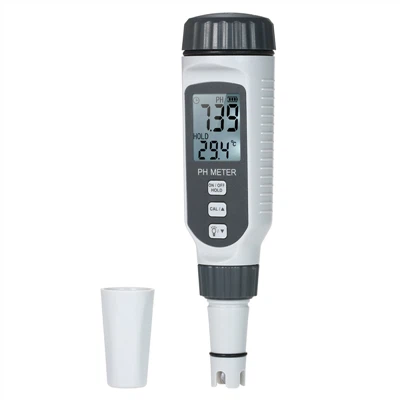
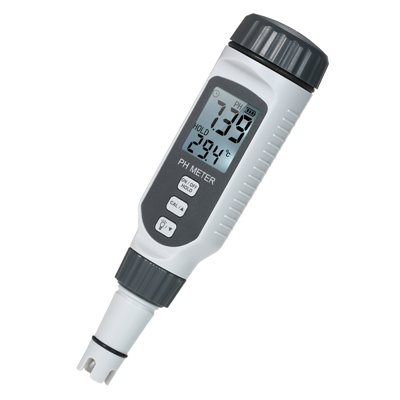
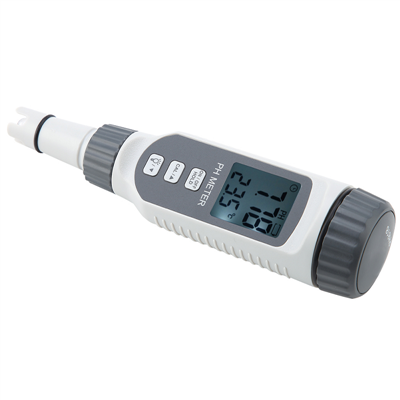
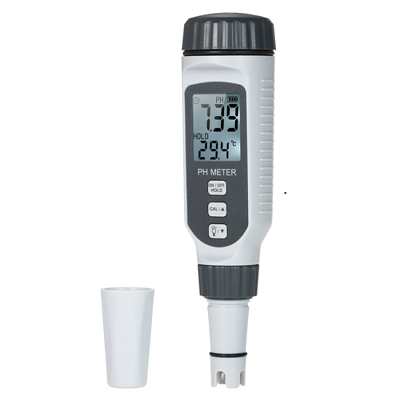
7 things to do when using a pH combination electrode correctly
(1) There should be no air bubbles at the front of the bulb, if there are air bubbles, they should be thrown away with force.
(2) After the electrode is taken out of the soaking bottle, it should be shaken in deionized water and dried. Do not wipe the bulb with a paper towel, otherwise the time for potential stabilization will be prolonged due to the electrostatic induction of charge transfer to the glass membrane. A better method is Rinse the electrode with the solution to be measured.
(3) After the pH composite electrode is inserted into the solution to be tested, it should be stirred and shaken for a few times and then placed statically, which will speed up the response of the electrode. Especially when using a plastic shell pH composite electrode, the stirring and shaking is more severe, because there will be a small cavity between the bulb and the plastic shell, and after the electrode is immersed in the solution, sometimes the gas in the cavity will generate bubbles if it is too late to get rid of it. The contact angle between the bulb or the liquid junction and the solution is poor, so it must be vigorously stirred and shaken to remove air bubbles.
(4) After testing in a viscous sample, the electrode must be rinsed several times with deionized water to remove the sample adhering to the glass membrane. Sometimes it is necessary to wash the sample with other reagents first, then wash with water to remove the solvent, and immerse in the soaking solution for activation.
(5) Avoid contact with strong acid and alkali or corrosive solutions. If you test such solutions, you should minimize the immersion time and clean them carefully after use.
(6) Avoid using in dehydrating media such as absolute ethanol and concentrated sulfuric acid, which will damage the hydrated gel layer on the surface of the bulb.
(7) The shell material of the plastic case pH composite electrode is polycarbonate plastic (PC). PC plastic will dissolve in some solvents, such as carbon tetrachloride, trichlorethylene, tetrahydrofuran, etc. If the above solvents are contained in the test, it will Electrode casing, at this time should be changed to a pH compound electrode with a glass casing.