9 precautions for using electric soldering iron
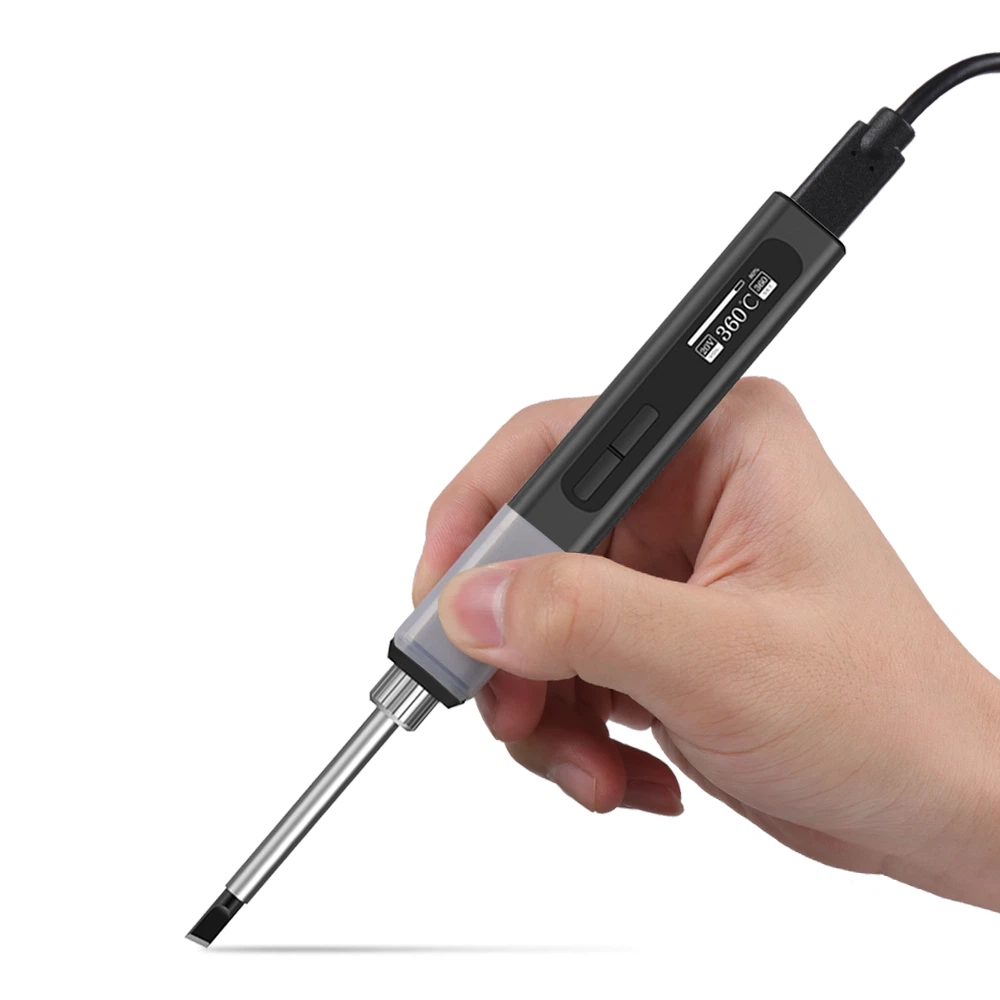
1. The posture of holding the soldering iron during manual soldering: similar to the posture of holding a pen and writing.
2. Dirt and burnt flux on the contact surface of the soldering iron tip will hinder heat conduction, and should be wiped off with a damp sponge, and the contact surface should always be kept clean.
3. For the solder joints of SMD components and thin-foot components (such as wires, LEDs, etc.), the temperature of the soldering iron is generally implemented according to the following standards:
Lead soldering: the temperature is controlled at 250 degrees - 350 degrees;
Lead-free soldering: the temperature is controlled at 320 degrees - 400 degrees;
4. For solder joints with faster heat dissipation and more tin addition (such as battery positive and negative polarity sheets, etc.), the temperature of the soldering iron is generally implemented according to the following standards:
Lead soldering: the temperature is controlled at 280 degrees - 380 degrees;
Lead-free soldering: the temperature is controlled at 350 degrees - 420 degrees;
5. If the specified soldering iron tip cannot be erased, it can be removed with a file, and then immediately re-tinned with solder for protection. However, it is forbidden to use a file for the soldering iron tip with iron-clad contact surface, silver-plated or precious hard alloy contact surface.
6. It is not allowed to rub the welding surface with the tip of the soldering iron, and it is not allowed to press hard. When the contact surface of the soldering iron is too small to cover the existing soldering surface, the reciprocating friction of the welding surface can be used to assist the rapid expansion of the heating area and accelerate the flow of solder To ensure full solder joint profile.
7. When the new soldering iron is resting or not being used for welding temporarily, it is necessary to add tin to the soldering iron tip to protect the soldering iron tip; if you leave the station for more than 30 minutes, you must cut off the power supply of the soldering iron.
8. The working area should be kept clean, and the waste tin slag must be recycled into the soldering iron frame uniformly, and the broken tin cannot be knocked on the work surface, and it is strictly forbidden to directly hit the soldering iron to prevent damage or leakage;
9. For dense small solder joints (such as printed boards with dense patch components), use sharp-nosed soldering iron tips. For relatively sparse solder joints and thick-leg components, soldering and repair welding should use flat or knife-shaped soldering iron tips as much as possible.