Analysis of basic knowledge of combustible gas detector
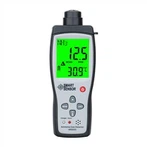
The combustible gas detector is a gas concentration detection instrument that integrates a gas detector and a gas alarm controller. The gas detector can be directly powered by a 220V power supply. The toxic gas detector uses imported electrochemical/catalytic combustion sensors, which have the advantages of stable signal and high accuracy. The explosion-proof wiring method is suitable for various hazardous areas. Its product features: 1. Advanced microprocessor technology for combustible gas detectors; 2. Range specifications can be determined by users according to their actual requirements; 3. 220V AC power supply; 4. On site concentration display, sound and light alarm; 5. Fast response speed and high measurement accuracy; 6. The output signal can be determined by the user according to actual requirements; 7. Relay output (optional), RS485 bus output (optional).
In addition, for the detection principle of combustible gas detector, catalytic combustion/electrochemical detection method, diffusion working method, long-term continuous working output signal, relay output or RS485 output (optional), wiring method model RVVP3 1.0mm2 structural material die-casting aluminum explosion-proof mark Ex dIICT6 protection level IP65 working humidity 90% RH working temperature -20~50 ℃ (special requirements are determined according to needs). Combustible gas detectors are national mandatory calibration measuring instruments, widely used in industries such as metallurgy, petroleum, chemical, petrochemical, coal, as well as municipal gas, storage, transportation, hotels, restaurants, and fire departments.
When combustible or toxic gases leak in the environment and the gas concentration reaches the explosion or poisoning critical point set by the detector, the combustible gas detector will issue an alarm signal to remind staff to take measures to prevent explosions, fires, and poisoning accidents, thereby ensuring safe production. Due to the sensitivity of the detector sensor naturally decreasing by 10% to 30% annually under normal use, if the sensitivity of the detector sensor decreases and the leaked gas concentration reaches the lower explosive limit without timely alarm, there will be a risk of explosion. Therefore, combustible gas detectors need to be calibrated regularly every year to ensure the accuracy and reliability of their performance and measurement values.
At the same time, gas detectors and gas sensors are mainly used in the petrochemical industry to detect harmful gases such as carbon dioxide, nitrogen oxides, sulfur oxides, ammonia, hydrogen sulfide, and chlorine; Detecting highly toxic gases such as organic solvents and phosphines in the semiconductor and microelectronics industries; Detecting hydrogen gas generated during the deterioration process of power transformer oil in the power industry; Testing the freshness of perishable foods such as meat in the food industry; Detecting oxygen in exhaust gases from the automotive and kiln industries to control combustion and achieve dual goals of energy conservation and environmental protection; Highway traffic checks the concentration of ethanol gas in drivers' exhaled breath to prevent drunk driving and reduce traffic accidents. With the progress of the times, I think the use of gas detectors will become more and more widespread, and the future will be even more unpredictable!