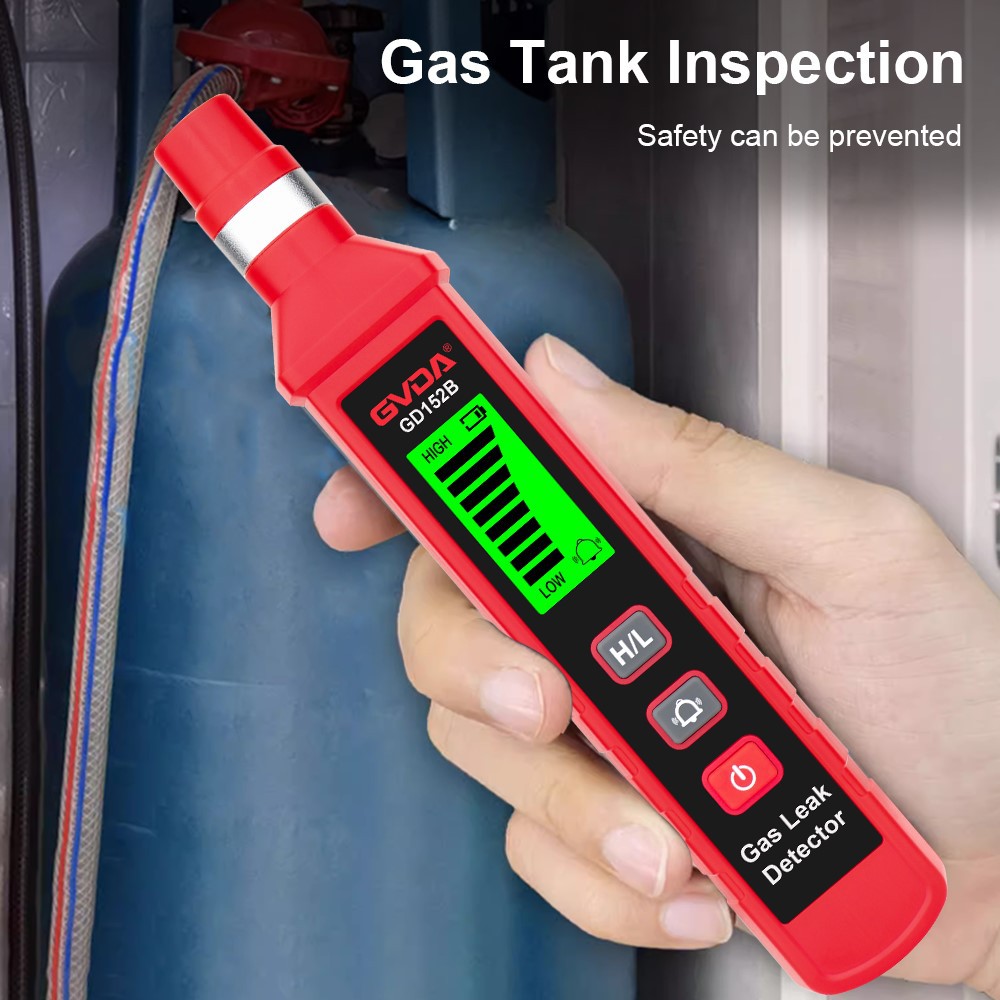
Analysis of the unique advantages of hand-held detectors
For portable gas detectors, they are a type of portable gas alarm characterized by small size, light weight, low power consumption, easy portability for detection anytime and anywhere. They use imported gas sensitive components, high accuracy, strong reliability, fast response and recovery time, good gas selectivity, and strong anti-interference ability. Portable gas detectors can be divided into diffusion gas detectors and pump suction gas detectors based on the sampling method. For diffusion gas detectors, the gas in the detection area flows slowly and freely in the air, and the sample gas is introduced into the instrument for detection. This method is affected by the detection environment, such as ambient temperature, airflow, etc. The characteristic of diffusion gas detector is low cost. The pump suction gas detector is equipped with a small air pump, which works by driving the power supply to extract and sample the gas in the test area, and then sending the sample gas into the instrument for detection. The special safety of the pump suction gas detector is the same as that of the diffusion gas detector.
Compared to the pump suction gas detector, the working principle of the diffusion gas detector is basically the same. The sample gas is detected by the sensor of the instrument and then amplified and sorted by the circuit to convert it into corresponding numerical values for display on the screen. Catalytic combustion sensors are commonly used for combustible gases, while electrochemical sensors are commonly used for toxic gases. Both are indispensable security facilities for enterprise safety production.
Portable gas detectors play an important role as security facilities in industrial production. In order to ensure the normal use of gas detectors, we need to test them before use. When testing portable gas detectors, the following aspects should be taken into account: firstly, in non hazardous areas, they should be turned on under normal environmental conditions. Secondly, batteries should not be replaced or charged in hazardous areas. This approach will damage the instrument itself and may lead to fire or explosion. Thirdly, butane lighters that ignite cigarettes should not be used to test the response of combustible gas sensors; This approach will damage the sensor. Fourthly, do not immerse the gas detector in liquid. Fifth: When the gas detector issues a low power alarm, immediately replace the battery (refer to the instruction manual for battery type). Sixth: Protect combustible gas sensors from exposure to lead mixtures, silicones, and chlorinated hydrocarbons.