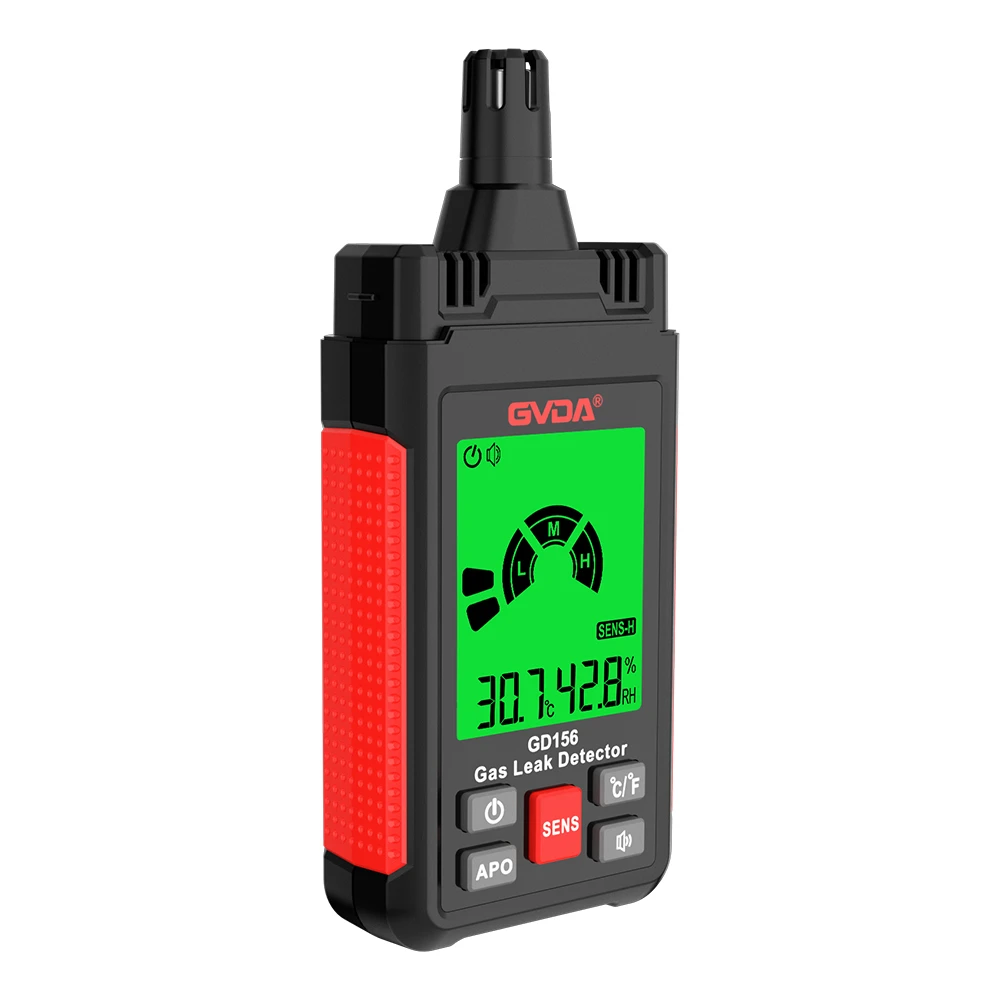
Application of Toxic Gas Detectors in the Industry
Toxic gases, which can be monitored by toxic gas detectors, may exist in raw production materials, such as most volatile organic compounds (VOCs). They can also be generated as by-products in various links of the production process, including ammonia, carbon monoxide, hydrogen sulfide and so on. These substances pose the greatest risks to on-site personnel. The hazards include not only immediate injuries such as physical discomfort, acute illness and death, but also long-term adverse effects on the human body like disability and cancer. The detection of these toxic and harmful gases deserves full attention, especially in developing countries.
Toxic and hazardous gases have respective threshold limit values, namely TWA (8-hour Time-Weighted Average), STEL (15-minute Short-Term Exposure Limit), IDLH (Immediately Dangerous to Life or Health concentration, unit: ppm) and MAC (Maximum Allowable Concentration in the workshop, unit: mg/m³). The numerical values of TWA, STEL, IDLH and MAC vary for different gas species.
At present, dedicated gas sensors are the most widely adopted solution for the detection of specific toxic gases. This category covers all types of gas sensors mentioned above, as well as photoionization detectors introduced in the previous two chapters. Among all technologies, the potentiostatic electrolytic method, commonly referred to as the electrochemical sensor, is the most prevalent, technically mature and comprehensive solution for inorganic toxic gas detection.
Currently, sufficient emphasis has been placed on gases that cause acute poisoning such as hydrogen sulfide and hydrocyanic acid, while insufficient attention is paid to substances leading to chronic poisoning, including aromatic hydrocarbons and alcohols. In fact, the latter are no less dangerous to workers' health and personal safety than acutely toxic gases, as they may induce cancer and other latent diseases that impair workers' lifespan and physical condition. Apart from insufficient professional awareness, the historical lack of qualified detectors capable of tracing low-concentration organic vapors in the market is another major contributing factor to this problem.
With the advancement of science and technology and rising public awareness of occupational health, people no longer merely pursue basic workplace safety of "going to work safely and returning home soundly". Instead, they strive for higher overall quality of life. People care not only about their daily work, but also about their long-term well-being after retirement.