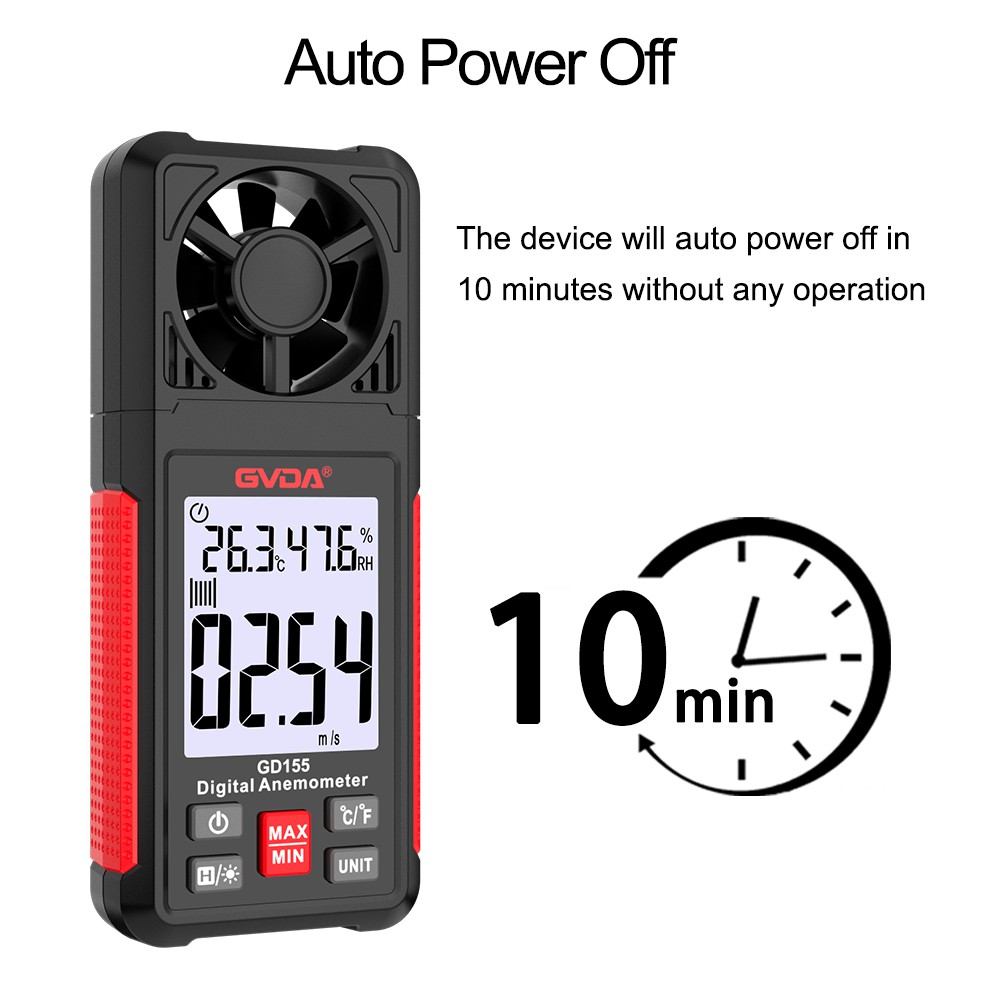
Applications and Precautions for Anemometers (Anemometers)
I. Classification of anemometers
According to the principle: thermal anemometer, ultrasonic anemometer, impeller anemometer, three-cup anemometer, Pitot tube anemometer and so on.
According to the shape of the probe: directional anemometer, non-directional anemometer
According to the test range and test parameters: high-temperature anemometer, micro anemometer, multi-parameter environmental test meter, etc.
Application of anemometer
Anemometers have a wide range of applications, in all areas can be used flexibly, widely used in electric power, steel, petrochemical, energy saving and other industries, there are other applications in the Beijing Olympic Games, sailing competitions, rowing competitions, field shooting competitions, etc. need to use anemometers to measure. Anemometers have been more advanced, in addition to measuring wind speed at the same time can also measure the wind temperature, wind volume. There are many industries need to use anemometers, recommended industries: fishing industry, all kinds of fan manufacturing industry, the need for exhaust system industry and so on.
Anemometer different seasons and different geographical situation, will make the wind in the atmosphere constantly changing. For example, the wind direction at the seaside varies from day to night, and there are different monsoon winds in winter and summer. The study of wind direction can help us to predict and study climate change. To study wind direction, an anemometer is used. Anemometers are often designed in the shape of an arrow, or in the shape of an animal, such as a rooster. The feathers of the anemometer rotate in the direction of the wind. The anemometer should be installed in a place where there are no buildings or trees to obstruct the wind movement. Usage and scope of application QDP series hot ball type electric anemometer, used in heating, ventilation, air conditioning, meteorology, agriculture, refrigeration and drying, labour hygiene surveys and other aspects of the need to determine the indoor and outdoor or the model of the airflow speed can be used, is a measurement of low wind speed of the basic instruments.
Precautions for the use of anemometer
1. Prohibit the use of anemometer in combustible gas environment.
2. It is prohibited to place the anemometer probe in combustible gas. Otherwise, it may cause fire or even explosion.
3. Do not disassemble or modify the anemometer. Otherwise, it may cause electric shock or fire.
4. Please use the anemometer correctly according to the instruction manual. Improper use may result in electric shock, fire and damage to the sensor.
5. During use, if the anemometer emits abnormal odour, sound or smoke, or if liquid flows into the inside of the anemometer, immediately switch off and remove the battery. Otherwise, there is a risk of electric shock, fire and damage to the anemometer.
6. Do not expose the probe and the anemometer body to rain. Otherwise, there is a risk of electric shock, fire and injury to the person.
7. Do not touch the internal sensor area of the probe.
8.When the anemometer is not used for a long time, please remove the internal battery. Otherwise, the battery may leak and cause damage to the anemometer.
9. Do not place the anemometer in high temperature, high humidity, dusty and direct sunlight. Otherwise, it will lead to the damage of the internal devices or deterioration of the anemometer's performance.
10. Do not wipe the anemometer with volatile liquid. Otherwise, it may lead to deformation and discolouration of the anemometer case. If the surface of the anemometer is stained, wipe it with soft fabric and neutral detergent.
11. Do not drop or weigh down the anemometer. Failure to do so will result in malfunction or damage to the anemometer.
12. Do not touch the sensor part of the probe while the anemometer is charged. Failure to do so will affect the measurement results or cause damage to the internal circuitry of the anemometer.