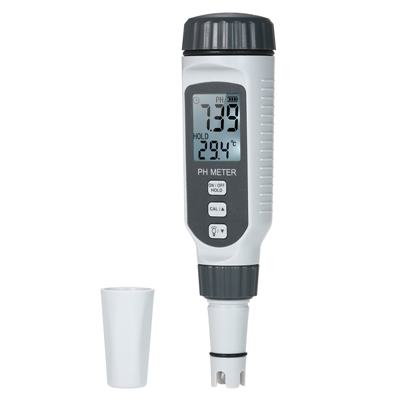
Basic Precautions for Using a Precision Instrument Multimeter
Watches are relatively precise instruments, and if used improperly, they not only cause inaccurate measurements but are also highly susceptible to damage. However, as long as we master the usage and precautions of a multimeter, and approach it with caution, the multimeter can be durable and long-lasting. When using a multimeter, the following precautions should be taken:
The measurement of current and voltage should not be rotated to the wrong gear. If the resistance or current range is mistakenly used to measure voltage, it is extremely easy to burn out the meter. When the multimeter is not in use, it is advisable to shift the gear to AC voltage to avoid damage due to improper use.
When measuring DC voltage and DC current, pay attention to the polarity of "+" and "-" and do not connect them incorrectly. If the pointer is found to be reversed, the meter rod should be replaced immediately to avoid damaging the pointer and the meter head.
If you do not know the magnitude of the measured voltage or current, you should first use and then select the appropriate gear for testing to avoid excessive deflection of the meter needle and damage to the meter head. The closer the selected gear is to the measured value, the more accurate the measured value will be.
When measuring resistance, do not touch the bare ends of the component (or the metal parts of the two meter bars) with your hands to avoid parallel connection of human resistance and the measured resistance, which may result in inaccurate measurement results.
When measuring resistance, if two meter bars are short circuited and the "zero ohm" knob is adjusted to , the pointer still cannot reach the 0 point. This phenomenon is usually caused by insufficient battery voltage inside the meter, and a new battery should be replaced to accurately measure.
When the multimeter is not in use, do not turn it to the resistance mode, as there is a battery inside. If not careful, it can cause the two meter bars to collide and short circuit, which not only consumes the battery but can also damage the meter head in severe cases.