Calibrating Toxic and Hazardous Gas Detectors
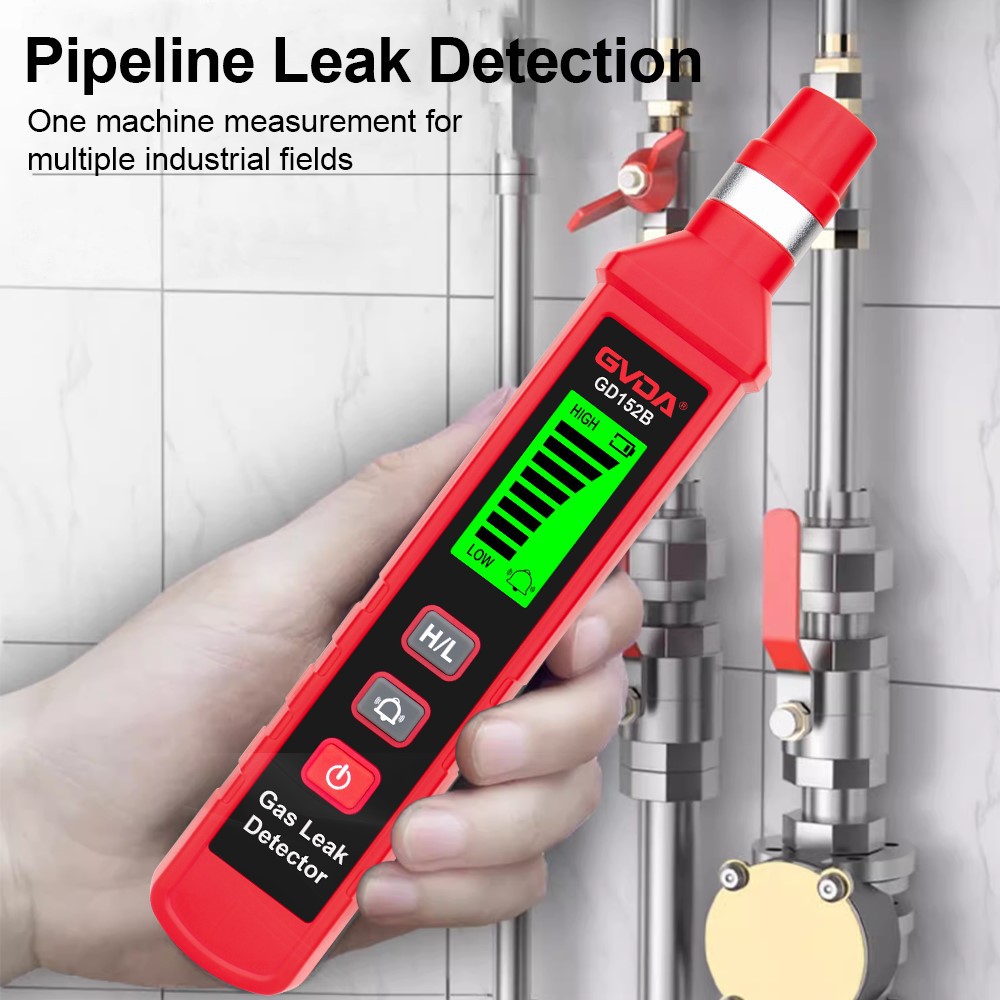
There are many types of gas detectors, one of which is toxic and harmful gas detectors. Toxic and harmful gas detectors are mainly used in fields such as chemical and coal mining, especially for gas detection before entering a new environment. Gas detectors can effectively detect the concentration of gases, ensuring that we work in a safe environment!
Generally speaking, each sensor corresponds to a specific gas being detected, but any gas detector cannot be a safety specific device. Therefore, when choosing a gas sensor, it is important to understand as much as possible the detection interference of other gases on the sensor to ensure accurate detection of specific gases.
Toxic and harmful gas detectors, like other analytical and detection instruments, use a relative comparison method for measurement: first, calibrate the instrument with a zero gas and a standard concentration gas, obtain a standard curve, and store it in the instrument. During measurement, the instrument compares the electrical signal generated by the concentration of the gas to be measured with the electrical signal of the standard concentration to calculate the accurate gas concentration value. Therefore, zeroing the instrument at any time and regularly calibrating the instrument are essential tasks to ensure accurate measurement. It should be noted that many gas detectors currently have replaceable detection sensors, but this does not mean that a detector can be equipped with different detector probes at any time.
Whenever replacing the probe, in addition to requiring a certain sensor activation time, the instrument must also be recalibrated. In addition, it is recommended to perform response testing on the standard gas used in various instruments before use to ensure that the instruments truly provide protection. If this type of instrument is used as a safety alarm in an open environment, such as an open workshop, a portable diffusion gas detector can be used because it can continuously, real-time, and accurately display the concentration of toxic and harmful gases on site. Fixed detectors are generally two-piece, with a detection head composed of sensors and transmitters installed as a whole on the detection site, and a secondary instrument composed of circuits, power supplies, and display alarm devices installed as a whole in a safe place for easy monitoring. Its detection principle is as described in the previous section, but it is more suitable for the continuous and long-term stability required for fixed detection in terms of process and technology.