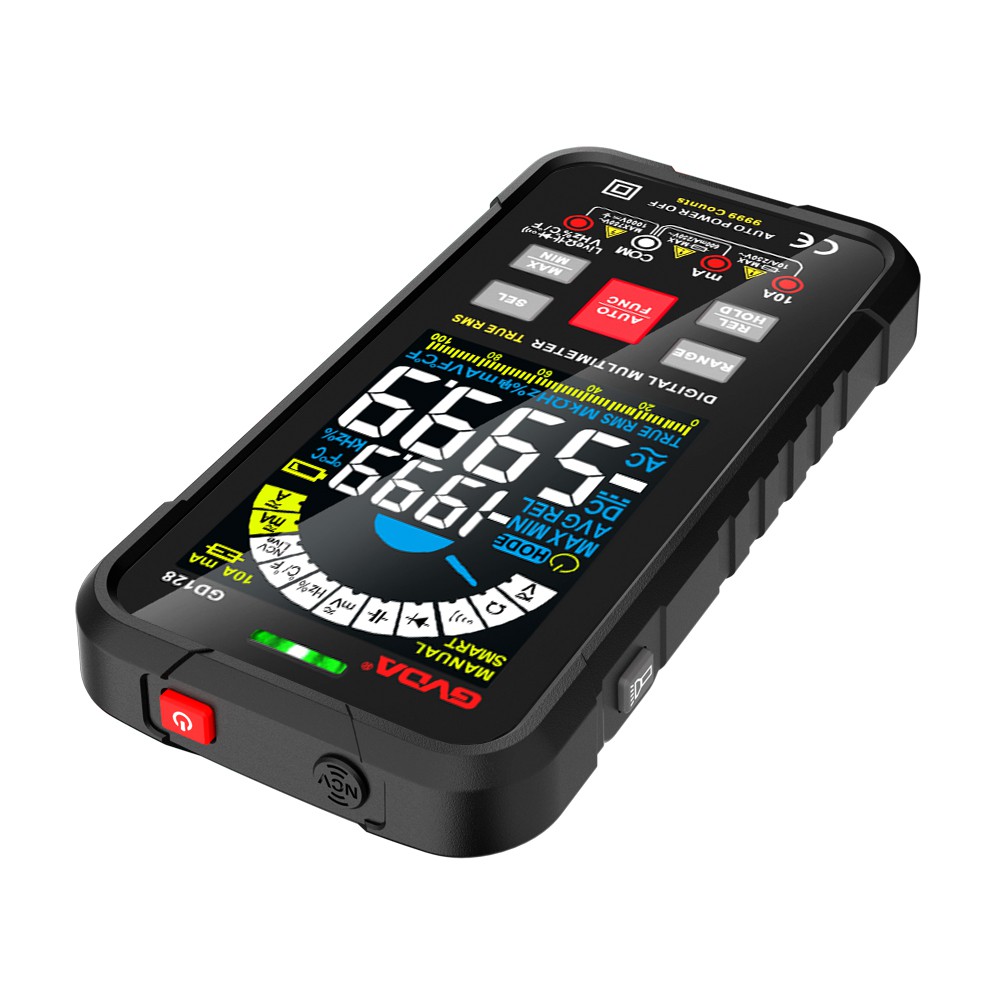
Can multimeters measure proximity switches?
The proximity switch can be measured with a multimeter; its measurement is also very simple, just think of him as a switch.
So, let's understand what this proximity switch is.
Proximity switch, as the name suggests, is "close" to the function of a switch. Proximity switch should be attributed to the position switch, and our common travel switch is the biggest difference is that the proximity switch can not touch the measurement object, you can complete the position measurement work.
In short, the essence of the proximity switch is still a switch, just the working principle of this switch is different, and the common proximity switches on the market are roughly divided into the following categories:
Photoelectric proximity switch: through the reflection of light, when there is an obstacle blocking the radiated light, the device will produce an on or off signal.
Hall type proximity switch: we may not know the word Hall so well, in fact, Hall is a form of circuit, it is more sensitive to magnetic substances, when the detection of magnetic objects, can not of the circuit will produce changes, and then through the conversion circuit, the output of the response to the on or off signal:
Capacitive proximity switch: said capacitive, we have to understand a dielectric constant, when the capacitance of the two poles between the plate when an object passes, the dielectric constant will change, so that a signal is generated, and then converted through the circuit for output.
How do you use a multimeter to measure a proximity switch?
Although it is also a switch, but the measurement of this proximity switch is somewhat special, we directly measure, certainly can not measure anything, because this proximity switch in normal operation is required to supply power, equivalent to an electrical appliance, you need to connect a power supply, and most of them are DC 24V.
So, connecting a power supply to the proximity switch is the first step of measurement.
When we give the proximity switch power supply, we also need to understand its internal wiring, we still take the three-wire proximity switch as an example, know some knowledge of the circuit friends is not difficult to see, the proximity switch on and off is associated with a transistor, when the proximity switch main circuit senses an object, will produce a circuit within the on and off changes, so that will be under the figure of the load on both sides of the circuit constitutes a closed loop! This will form a closed circuit between the two ends of the load in the figure below, that is, the 24V power supply is added to both sides of the load, which is actually the working principle of the proximity switch.