Classification of electric soldering irons and some practices before use
Electric soldering iron is a tool for electronic enthusiasts, and the welding of components determines the quality of products. Welding technology is the basic link to ensure welding quality, product quality, and reliability. For example, internal heating electric soldering iron, external heating electric soldering iron, constant temperature electric soldering iron, tin absorbing electric soldering iron, etc. are used.
Internally heated electric soldering iron: composed of a connecting rod, handle, spring clip, soldering iron core, soldering iron head, etc. The core of the electric soldering iron is placed inside the soldering iron head, which is made of nickel chromium resistance wire wrapped around a ceramic tube.
External heating electric soldering iron: Its soldering iron head is located inside the soldering iron core and is made of copper alloy material with good thermal conductivity as the substrate. The soldering iron head is retractable. If you want a higher temperature, make the soldering iron head shorter. Conversely, make the soldering iron head longer.
Tin suction soldering iron: It is a soldering tool that integrates a piston type solder suction device and an electric soldering iron, making it flexible and convenient to use, with a wide range of applications.
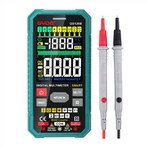
Before using an electric soldering iron, it is best to measure the resistance of the power plug to determine whether the iron can be used. If the resistance is several thousand ohms, it can be used; if the resistance is zero or infinite, it cannot be used. A zero resistance indicates a short circuit inside the soldering iron, while an infinite resistance indicates an open circuit inside the soldering iron.
Some practices before using an electric soldering iron
When using a new electric soldering iron for the first time, ensure that the soldering iron tip is bright, heat and melt the solder while dipping it in rosin and repeatedly contact the soldering wire, and evenly coat the soldering iron tip with a layer of solder. The purpose of doing so is not only to facilitate subsequent use, but also to prevent oxidation of the soldering iron tip. For the treatment of old electric soldering irons before use, due to long-term use, there will be a layer of oxide on the surface of the soldering iron head, which makes it difficult for the soldering iron head to eat tin. So the only way to remove the oxide on the surface of the soldering iron head is to use fine sandpaper or a file to make its surface shiny. Then install a new soldering iron treatment method and evenly coat the surface of the soldering iron head with a layer of welding.
Oxygen is actually not related to the heating of an electric soldering iron. An electric soldering iron heats and melts the solder wire through alternating current. And what the questioner said may be that the electric soldering iron does not eat tin, which is because the electric soldering iron is not used for a long time, which will accelerate the oxidation of the soldering iron core and burn it out, shortening its service life. At the same time, it can also cause the soldering iron tip to oxidize or burn out due to prolonged heating. Therefore, making the soldering iron no longer eat tin. During the process of not eating tin, an oxidation reaction occurs, and the substance undergoes a chemical reaction with oxygen, in which oxygen is supplied. Under normal circumstances, oxidation occurs slowly, but if the power is applied for too long and the temperature rises sharply, it provides reaction conditions for the oxidation reaction and accelerates the oxidation rate of the soldering iron head and core.