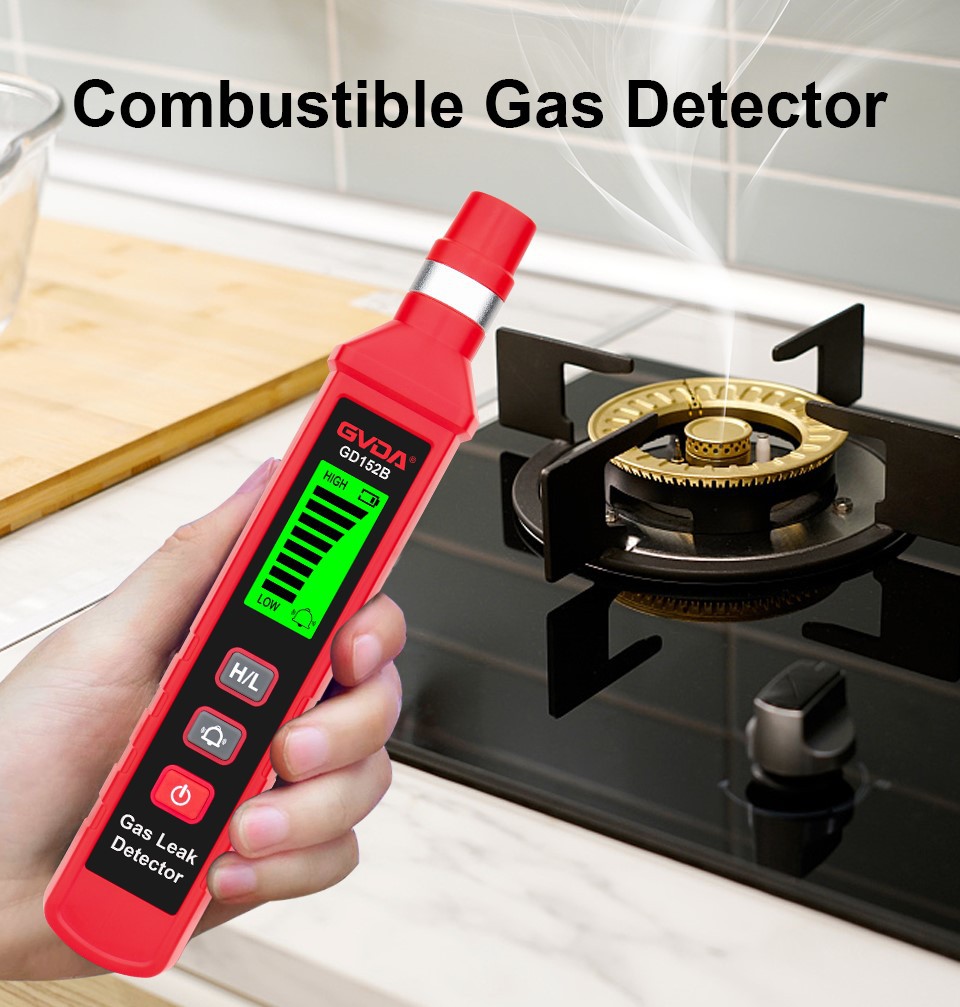
Common failures and causes of gas detectors
The construction process is not standardized
If the combustible gas detector is not located near the equipment that is prone to leakage, or is installed adjacent to the exhaust fan, the leaked substance cannot fully diffuse to the vicinity of the combustible gas detector, thus making it difficult for the leakage hazard to be detected by the combustible gas detector in a timely manner. If the combustible gas detector is not reliably grounded and cannot eliminate electromagnetic interference, it will inevitably affect the voltage and result in inaccurate detection data. Therefore, the combustible gas detector should be reliably grounded during the construction process. The combustible gas alarm and wiring terminals are located in areas that are prone to collision or water ingress, causing electrical circuit breaks or short circuits. Non corrosive soldering flux must be used for welding, otherwise the joint will corrode and detach or increase the line resistance, affecting normal detection. Do not drop or throw the detector to the ground. After construction, debugging should be carried out to ensure that the alarm is in normal working condition.
Improper use by the user
During the use of the gas detector, the user should install the air conditioner and heating equipment near the combustible gas detector. If the cold and warm air flows directly through the alarm during the use of the air conditioner and heating equipment, it may cause changes in the electrical resistance of the platinum wire of the alarm, resulting in errors. Therefore, the alarm should be kept away from the air conditioner and heating equipment to avoid faults caused by improper placement. Users should also pay attention to preventing electromagnetic interference when using combustible gas detectors. The installation position, installation angle, protective measures, and system wiring of the portable alarm should be designed to prevent electromagnetic interference. Users should pay attention to factors that may cause malfunctions during the use of combustible gas detectors, such as dust, high temperature, humidity, rain, etc.
When installing a combustible gas alarm in a location that requires the installation of an exhaust fan, if the exhaust fan is placed adjacent to the combustible gas detector, the leaked combustible gas will not be able to fully spread to the vicinity of the combustible gas alarm, resulting in the inability to detect in a timely manner and causing a missed opportunity. Users should also pay attention to avoiding places with high temperature, high humidity, steam, and oil fumes when using combustible gas detectors. Do not place or hang items on the detector. The installed combustible gas detector cannot be moved arbitrarily. Users should choose products with replaceable sensor probes when using alarms for ease of use.