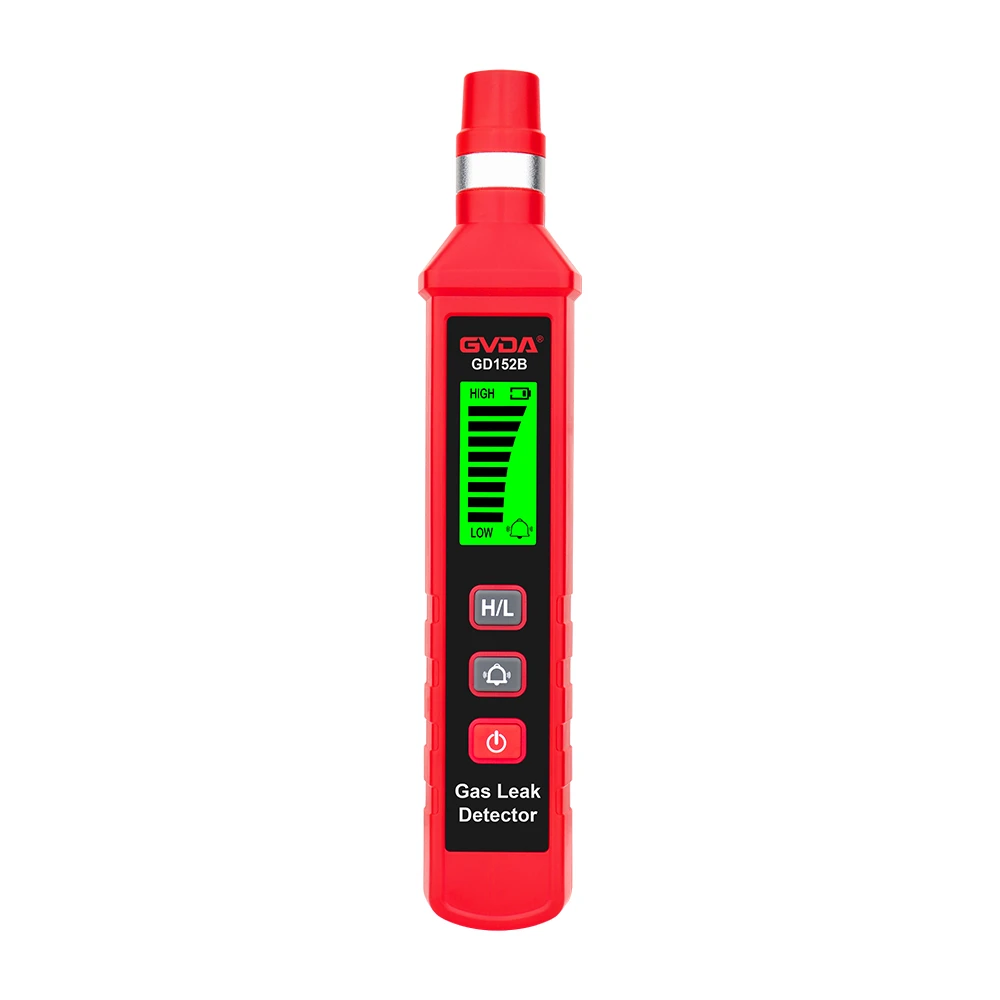
Common faults of gas detectors and simple solutions
Common faults of gas detectors are mainly caused by users' improper use, lack of understanding of detector performance, improper equipment selection, users' failure to construct according to specifications, and insufficient maintenance. The following mainly analyzes the reasons why users experience failures when using combustible gas detectors, and also proposes how to use combustible gas detectors correctly to minimize the occurrence of gas alarm failures.
1. Irregular construction process
If the construction process is not standardized, the flammable gas detector may malfunction during use. If the flammable gas detector is not located near the equipment that is prone to leaking flammable gas, or is installed adjacent to the exhaust fan, the leaked combustible gas cannot fully diffuse to the vicinity of the flammable gas detector, thereby preventing the leakage from being flammable in time. Sexual gas detector detection. For residential combustible gas detectors, they should be installed near the gas pipes and stoves in the kitchen. When the household uses natural gas, the gas detector should be installed on the ceiling within 300mm of the ceiling; when the household uses liquefied petroleum gas, the gas detector should be installed on the ceiling. The detector should be installed within 300mm from the ground. If the flammable gas detector is not reliably grounded and cannot interfere with electromagnetic interference, the voltage will be affected and the detection data will be inaccurate. Therefore, the flammable gas detector should be reliably grounded during construction. Combustible gas alarms and wiring terminals are installed in places that are prone to collision or water intrusion, causing electrical circuit breakage or short circuit. Welding must use non-corrosive flux, otherwise the joints will be corroded and disengaged or the circuit resistance will increase, affecting normal detection. Do not drop or drop the detector to the ground. After construction is completed, debugging should be carried out to ensure that the combustible gas alarm is in normal working condition.
2. Improper use by users
When users of gas alarms use gas detectors, they install air conditioning and heating equipment close to the combustible gas detector. When using air conditioning and heating equipment, if the cold or warm air flows directly past the combustible gas alarm, there will be It may cause the resistivity of the platinum wire of the combustible gas alarm to change and cause errors. Therefore, the combustible gas alarm should be kept away from air conditioning and heating equipment to avoid malfunction caused by improper setting position. Users should also pay attention to preventing electromagnetic interference when using flammable gas detectors. The installation location, installation angle, protective measures and system wiring of combustible gas alarms should prevent electromagnetic interference. There are three main ways that the electromagnetic environment affects combustible gas alarms: airborne electromagnetic wave interference, narrow pulse groups on power supplies and other input and output lines, and human body static electricity.