Detailed explanation of common faults and maintenance methods of power frequency converters
1. Repair the damaged rectifier block of the frequency converter
The damage to the rectifier bridge of the frequency converter is also one of the common faults of the frequency converter. The early production of the frequency converter rectifier block mainly used diode rectification, and currently some rectifier blocks use thyristor rectification method (voltage regulation frequency modulation frequency converter).
The rectification module of medium and high-power ordinary frequency converters is generally three-phase full wave rectification, which undertakes the rectification of all output electrical energy of the frequency converter. It is prone to overheating and breakdown. After damage, the frequency converter may not be able to deliver power, fuse blown, and other phenomena may occur. The three-phase input or output terminals have low resistance values (normally their resistance values reach over megohms) or short circuits.
When replacing the rectifier block, it is required to evenly apply a layer of silicon thermal conductive paste with good heat transfer performance on the contact surface with the heat sink, and then tighten the screws. If there are no rectifier blocks of the same model, other types of rectifier blocks of the same capacity can be used as substitutes. The fixing screw holes must be re drilled, tapped, and then installed and wired.
2. The charging resistor of the frequency converter is prone to damage and maintenance
The general reasons for damage to the charging resistor of the frequency converter are: if the contactor of the main circuit is not properly closed, it may cause excessive current flow time and burn out; Or the charging current is too high and the resistor is burned out; Or due to the fact that during heavy load startup, the main circuit is energized and the RUN signal is simultaneously connected, causing the charging resistor to pass through both the charging current and the load inverter current, making it susceptible to burnout.
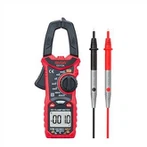
The characteristics of its damage are generally manifested as damage marks such as burning, blackening of the shell, and explosion. The resistance can also be measured using a multimeter (machines with different capacities have different resistance values, which can be determined by referring to the resistance values of the same model).
3. Repair of burnt inverter module of frequency converter
Medium and small frequency converters generally use three sets of IGTR (high-power transistor modules); Large capacity models all use multiple sets of IGTRs in parallel, so measurement and inspection should be conducted one by one. The damage of IGTR can also cause the protection function of frequency converter OC (+pA,+pd, or+pn) to operate.
There are many reasons for the damage of the inverter module: such as a short circuit in the output load; Excessive load and continuous operation with high current; The load fluctuates greatly, resulting in excessive surge current; Poor cooling fan effect; Causing excessive module temperature, resulting in module burnout, poor performance, parameter changes, and other issues, resulting in abnormal inverter output.