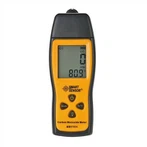
Detect gases with a portable gas detector
Working principle of portable gas detector
Electrochemical gas detector is a gas detector that uses electrochemical sensors. Due to the electrochemical activity of many gases, they can be electrochemically oxidized or reduced, and the current generated by this reaction is proportional to the concentration of the gas that undergoes the reaction. Therefore, the composition and concentration of the gas can be detected through such reactions. This detection method has high accuracy and fast response, and is often used for the detection of toxic gases. However, there are also different classifications of electrochemical reactions. The following introduces the most commonly used electrochemical reaction modes and principles of electrochemical gas detectors.
A portable gas detector is an instrument used to detect the presence of hazardous gases (flammable, explosive, toxic) in a certain environment. For hazardous gases present in the detected environment. Maintenance is an important task in improving the stability, accuracy, and lifespan of testing instruments. It is also an important task to effectively prevent malfunctions.
Portable gas detector can detect gases
Portable gas detectors can detect various gases such as hydrogen sulfide, carbon monoxide, oxygen, sulfur dioxide, phosphine, ammonia, nitrogen dioxide, hydrogen cyanide, chlorine gas, chlorine dioxide, ozone, and combustible gases. They are widely used for on-site detection in various places such as petrochemicals, coal, metallurgy, chemical industry, municipal combustion gas, and environmental monitoring.
The service life of portable gas detectors
The service life of portable gas detectors mainly depends on the core component sensors. It can be roughly divided into sensors for detecting the concentration of toxic gases and sensors for detecting the explosive concentration of combustible gases. The sensors used to detect the concentration of combustible gases include catalytic combustion sensors, which have a service life of 3-5 years. The sensors used to detect toxic gases are electrochemical, usually 1-2 years.