Differences Between Internal Short Circuit and External Short Circuit in Clamp Meters
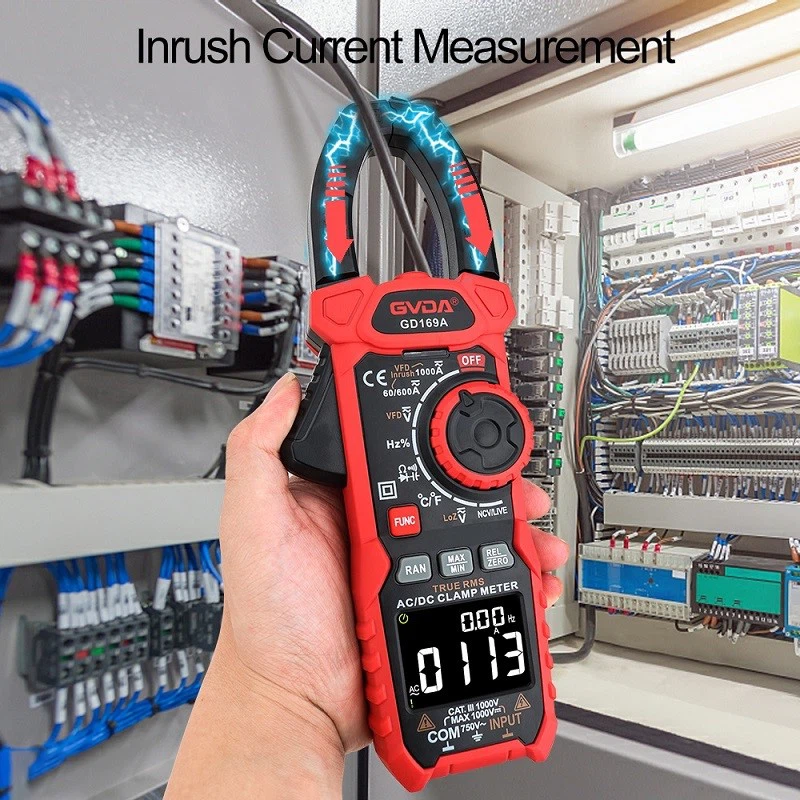
An ammeter is an instrument for measuring current, which plays a very important role in circuits. However, ammeters may encounter some problems during use, the most common of which are internal short circuits and being short circuited. Although both of these problems are caused by faults in the ammeter, their causes, manifestations, and solutions are significantly different.
1, Internal short circuit of ammeter
1. Definition of internal short circuit in ammeter
An internal short circuit in an ammeter refers to an unexpected conductive path between the circuit components inside the ammeter, causing the ammeter to malfunction. This situation is usually caused by damage, aging, or poor contact of the internal components of the ammeter.
2. Ammeter with internal short circuit
(1) The pointer of the ammeter does not return to zero: Under normal circumstances, the pointer of the ammeter should point to zero when no current is passing through. If the pointer does not return to zero, it may be due to a short circuit inside the ammeter.
(2) Abnormal deflection of ammeter pointer: When the ammeter is short circuited internally, the pointer may deflect too much or too little, making it difficult to accurately display the magnitude of the current.
(3) Ammeter pointer jumping: If there is an internal short circuit in the ammeter, the pointer may jump near zero and become unstable.
(4) Ammeter damage: Severe internal short circuits may cause damage to the internal components of the ammeter, and even burn out the ammeter.
The reason for the internal short circuit of the ammeter
(1) Component damage: Components inside the ammeter, such as resistors, capacitors, coils, etc., may be damaged due to aging, wear, and other reasons, leading to short circuits.
(2) Poor contact: The connection points inside the ammeter may have poor contact, causing the current to not flow properly and leading to a short circuit.
(3) External interference: The ammeter may be subject to external electromagnetic interference during use, causing internal circuit abnormalities and short circuits.
(4) Design flaw: If there is a design flaw in the ammeter, it may cause the internal circuit to be prone to short circuiting.