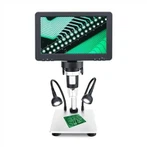
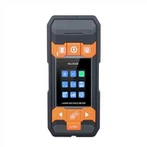
Electromagnetic radiation analyzer takes you to understand the electromagnetic fields around you
In the world we live in, electromagnetic radiation is everywhere. Natural electromagnetic waves such as sunlight, lightning, and cosmic rays are all natural occurrences, and we have adapted to this type of radiation to a certain extent; Many human inventions based on electromagnetic technology also radiate electromagnetic energy into space, such as mobile phones and base stations, microwaves, computers, televisions, and so on.
And what we usually refer to as "electromagnetic radiation" is "non ionizing radiation" with a frequency that is not sufficient to break the chemical bonds between molecules. For example, low-frequency electromagnetic waves generated by high-voltage lines, substations, and general household appliances; The high-frequency electromagnetic waves generated by instruments and equipment such as mobile phones, mobile base stations, WIFI routers, and microwave ovens operating in the microwave frequency range of several hundred M to several GHz belong to electromagnetic radiation.
So how to measure the "size" or "dose" of electromagnetic radiation? We usually measure it by the electric field intensity of electromagnetic radiation (in volts per meter, V/m). For low-frequency electromagnetic radiation, we also need to consider its magnetic field strength (in Tesla, T), and high-frequency electromagnetic radiation such as microwave and radio frequency should be measured by power density (in W/m2); In order to explore the effects of electromagnetic waves on the human body, we also use the Specific Absorption Rate (SAR) in watts per kilogram (W/kg) to measure the radiation effects of some electromagnetic devices that are close to human use.
How to protect against electromagnetic radiation?
On the one hand, international organizations such as the International Committee on Non Ionizing Radiation Protection (ICNIRP) and the International Electrotechnical Commission (IEC) have established standards for electromagnetic radiation by collecting research related to electromagnetic radiation, which can ensure the safety of related electronic devices to human health during use. Many countries have also introduced relevant laws, regulations, and technical standards.
For example, China's "Electromagnetic Environment Control Limits" (GB8702-2014) refer to the relevant standards of ICNIRP and IEC, and stipulate the safety limits and evaluation methods for electromagnetic fields in the range of 1Hz to 300GHz around us. For example, the electromagnetic environment of mobile base stations and other equipment must be controlled within 12V/m and strictly monitored and managed by relevant environmental protection departments in China. Similarly, China's "Local Exposure Standard for Electromagnetic Radiation from Mobile Phones" (GB21288-2007) stipulates that the specific absorption rate (SAR) value of electromagnetic radiation from mobile phones should be lower than 2W/kg.
It should be noted that the "safety limits" in these standards are determined by dividing the "critical values" of electromagnetic radiation that may harm health by 5 to 10 based on relevant tests and other factors. But it does not necessarily mean that exceeding the safety limit will pose a danger to health. In short, if we use qualified electronic devices or household appliances produced by legitimate manufacturers correctly, our health will not be negatively affected and we can rest assured.