Explanation on the detection methods and classification of gas detectors
To understand the parameters and related data issues of your gas detector, this ensures the accuracy of measurement values and does not damage the instrument. The core of a gas detector is the sensor. In short, the classification of sensors is the classification of gas detectors. Today, we will introduce the detection principle and application of gas detectors.
A gas detector is one of the safety detection tools that uses its own equipment system to detect toxic and harmful gases and generate warnings. The detection methods and types can be roughly divided into the following:
1. Electrochemical sensors are commonly used and mature detection technologies for detecting toxic and harmful gases in gas detectors. The characteristics of electrochemical sensors are small size, low power consumption, good linearity and repeatability, and long lifespan.
2. In addition to using toxic gas alarms, colorimetric tube measurement technology is also a detection method for toxic and harmful gases currently used in industrial environmental protection. The advantage of this measurement method based on chemical color reactions is that it can compensate for the lack of suitable detection sensors encountered when using instruments for measurement.
3. Ionization detectors currently available in the market are divided into photo ionization detectors (PID) and flame ionization detectors (FID), which are commonly used toxic gas detectors in gas chromatography instruments. Making these two sensors separate into instruments has become a commonly used detection method for detecting volatile organic compounds.
4. Semiconductor sensor toxic gas detector. Semiconductor sensor is a detection element made of metal oxides or metal semiconductor oxide materials. When laser cutting machine interacts with gas, it can generate surface adsorption or reaction, causing conductivity or voltammetry characteristics or surface potential changes characterized by carrier movement. It can be used to detect combustible gases with a percentage concentration, as well as toxic gases at the ppm level.
Gas detectors can generally be used in various environments, and using them in the correct environment can ensure the stable operation and maintenance frequency of the machine. Generally, gas detectors are mostly used in fields such as petrochemicals, industrial production and mineral development, smoke and exhaust gas environmental monitoring, sewage treatment, biopharmaceuticals, home environmental protection, school laboratories, etc.
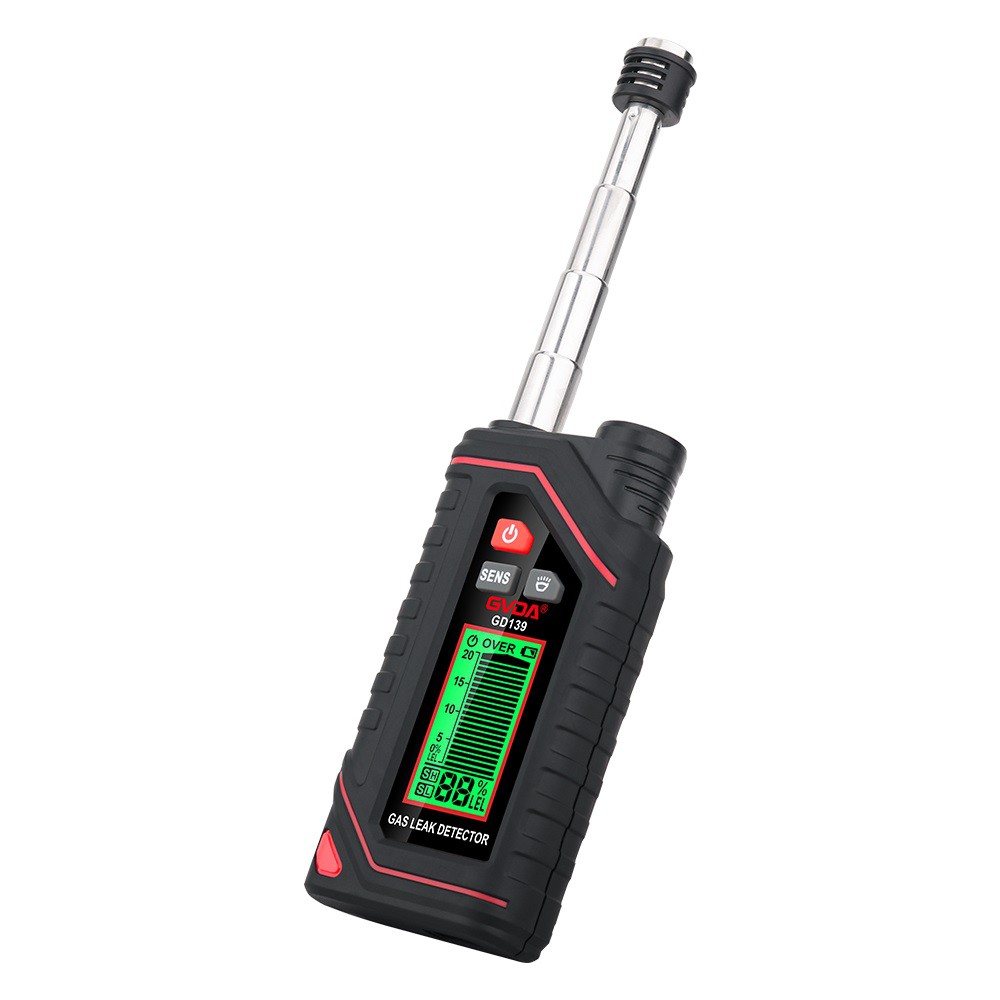
Gas detector is a tool commonly used for leak detection in gas storage areas. Specially suitable for use around process processing equipment, pipeline systems, and entering narrow spaces. Single handed operation, the instrument includes a built-in pump and a sampling soft rod (to detect the location of the leakage source), large characters, and background light display, ensuring clear reading of the detected gas concentration values in dark and dark environments.