Farm safety: How can a 4-gas detector help?
1, Dealing with various gas hazards
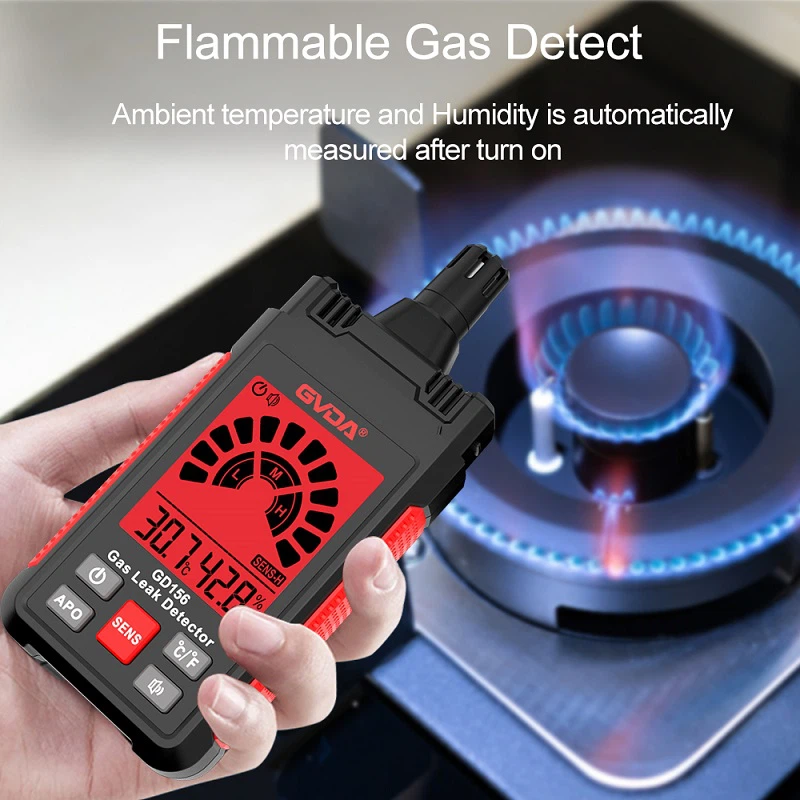
Various harmful or dangerous gases are easily generated in the breeding farm, such as common gases such as ammonia, hydrogen sulfide, carbon monoxide, which may have adverse effects on the breeding environment, while methane poses a risk of combustion. These gases come from a wide range of sources, such as fecal fermentation, equipment operation, and poor ventilation, which can all lead to their accumulation. Some gases are not easily detected by the senses, and long-term accumulation may cause various problems. The four in one gas detector can simultaneously monitor four key gases: oxygen, carbon monoxide, hydrogen sulfide, and methane, comprehensively covering the main gas risks in the breeding farm and avoiding omissions in single monitoring.
2, Adapt core functions to meet the needs of aquaculture
The functional design of the four in one gas detector is tailored to the actual usage scenarios of the breeding farm. Multi gas synchronous monitoring relies on different types of sensors working together to capture changes in gas concentration and update data in real time, allowing users to timely grasp the environmental gas conditions.
The intelligent warning function supports multi-level alarm threshold adjustment, which meets the requirements of relevant standards. When the gas concentration reaches the warning range, a signal will be sent out through sound and light prompts or screen highlighting. Some devices also have vibration prompts, suitable for noisy breeding environments. At the same time, the alarm records can be automatically stored, providing reference for subsequent management.
Equipment usually has a high level of protection and can cope with environments such as dust and humidity in breeding farms. The body is small and lightweight, equipped with hanging ropes or waist clips, making it convenient for staff to carry and detect at any time. The battery life meets daily usage needs, and the operating interface is simple and intuitive, making it easy to get started quickly. Some devices also support data transmission and analysis, generating data charts through relevant software to provide reference for management work such as ventilation optimization and manure treatment in breeding farms, and to assist in scientific operation.
3, Practical scenarios play a protective role
In daily inspections, staff can carry equipment to inspect areas such as poultry houses, pigsty bottoms, and biogas digesters, with a focus on ventilation blind spots and timely detection of gas accumulation problems.
Before entering confined spaces such as septic tanks and biogas digesters for operations, it is necessary to use equipment to detect the gas conditions at different heights in the space. Continuous monitoring should be carried out during the operation process to avoid the risks caused by sudden changes in environmental gases.
During the winter heating period, when checking the coal-fired equipment room daily, a four in one gas detector can be used to monitor the concentration of carbon monoxide and oxygen, promptly detecting problems such as insufficient combustion or ventilation, and avoiding potential hazards in advance.