Five factors that affect the service life of moisture meters
1: Extreme temperatures
While most hygrometers should work fine at "normal" indoor temperatures, it requires a hygrometer specifically set up to withstand the effects of temperatures below freezing or above the boiling point of water. For example, a thermohygrometer exposed to temperatures below -4°F or above 140°F will begin to return false readings.
A hygrometer that is not specifically designed for use in extreme temperatures. Prolonged periods of severe high or low temperatures will not only reduce the accuracy of woodworking readings, but also cause lasting damage to the meter's electronic components, rendering it permanently useless.
2: Exposure to moisture
Ironically, prolonged exposure to excess moisture can actually cause damage to your hygrometer. This damage can manifest itself in a variety of ways, such as corrosion on the hygrometer's contact elements (such as the pins of a pin meter) or a fault in the internal circuitry of the meter itself.
Anyone who's dropped a phone into a swimming pool or other body of water can tell you that moisture and sensitive electronic devices don't get along well. However, you don't have to place your electronics in water to expose them to excess moisture. Leaving the meter in a damp environment, such as being buried in a bag under damp work clothes, can cause damage over time, as can dropping it in water.
3: Damage caused by incorrect handling
While woodworking moisture meters are typically constructed as rugged, long-lasting tools, improper handling in the field remains the leading cause of failure of these devices. That's not to say that such incidents are the user's fault; accidents do happen, such as meters dropped on hard surfaces or in buckets of water.
However, taking precautions to avoid misoperation of your meter can go a long way toward preventing meter failure. For example, you can prevent accidents by grabbing a meter steadily and securely and handing it to a coworker who needs to borrow it rather than throwing it across the room. Wearing gloves with a gripping surface instead of gloves with a smooth surface also makes it easier to avoid accidentally dropping the moisture meter during use.
As with any electronic product, hygrometers will last longer when handled with care.
4: Exposure to pollutants
This is an issue that thermohygrometers are particularly sensitive to because their measuring elements are less easily replaced than the pins on pin-type meters. Over time, when a thermohygrometer is repeatedly exposed to chemicals, dust, mold, and other particles in the air, these substances can be deposited on the meter's measuring element. This causes the meter to provide inaccurate relative humidity readings over time, a phenomenon sometimes referred to as "drift."
As sensor drift becomes worse, the meter becomes increasingly unreliable, eventually leading to the need to completely replace the meter with a new one. Unfortunately, you can't directly control contaminant exposure other than minimizing airborne particles before using the hygrometer and keeping the meter itself clean and in good condition.
Ultimately, no hygrometer or hygrometer is completely immune to the effects of contaminants.
5: Storage conditions
Where is your hygrometer stored when it is not in use? Storage conditions are an important part of proper care of any sensitive equipment, and hygrometers are no exception. Every item we have discussed in the above sections is important when storing your hygrometer.
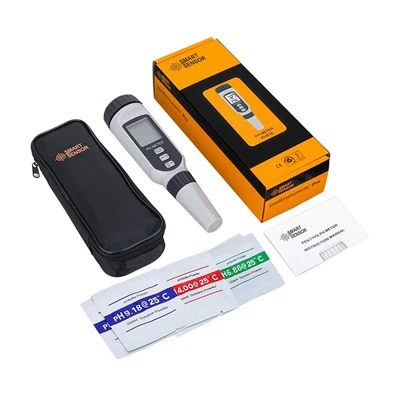
For example, storing a hygrometer in a hot, damp, dirty box that's loosely bounced around in the back of a truck won't last nearly as long as a meter kept in a proper carrying case . Delmhorst's hygrometers come with a case that protects the working between them.
However, storage means more than just keeping your meter between jobs. When working, do you keep your meter in a utility belt pouch while on the move? Keeping your meter in a pouch not only keeps your hands free for climbing ladders and other activities, it also places your hygrometer in a safe location, exposing it to less contaminants, not to mention Less chance of discarding.