Five major factors affecting the service life of moisture meters
1: Extreme temperature
Although most hygrometers should operate normally at "normal" indoor temperatures, they require a specially designed hygrometer to withstand the effects of temperatures below freezing or above the boiling point of water. For example, a thermometer exposed to temperatures below -4 ° F or above 140 ° F will begin to return incorrect readings.
If a hygrometer is not specifically designed for extreme high or low temperatures, it will not only reduce the accuracy of woodworking readings, but also cause permanent damage to the electronic components of the instrument, causing it to fail for a long time.
2: Exposure to moisture
Ironically, prolonged exposure to excessive moisture can actually cause damage to the hygrometer. This damage can manifest in various ways, such as corrosion on the contact components of the hygrometer (such as the pins of the needle type instrument) or internal circuit faults of the instrument itself.
Anyone who puts a phone into a swimming pool or other water body can tell you that moisture and sensitive electronic devices cannot get along well. However, you do not have to put electronic products into water to expose them to excessive moisture. Placing the instrument in a damp environment, such as burying it in a bag under damp work clothes, can cause damage over time, just like throwing it into water.
3: Damage caused by incorrect handling
Although woodworking moisture meters are usually constructed as sturdy and durable long-term tools, improper on-site operation is still the main reason for the failure of these devices. This is not to say that such events are the fault of the user; Accidents did indeed occur, such as instruments falling onto hard surfaces or buckets.
However, taking preventive measures to avoid misoperation of instruments can greatly help prevent instrument failures. For example, you can prevent accidents by stably and firmly grasping the instrument and handing it over to colleagues who need to borrow it instead of throwing it into the room. Wearing gloves with a gripping surface instead of gloves with a smooth surface can also make it easier to avoid accidental dropping of the moisture meter during use.
4: Exposure to pollutants
This is a particularly sensitive issue for thermal hygrometers, as their measuring components are less easily replaceable than the pins on pin type instruments. Over time, when the thermometer is repeatedly exposed to chemicals, dust, mold, and other particles in the air, these substances can deposit on the measuring element of the instrument. This leads to inaccurate readings of relative humidity provided by the instrument over time, which is sometimes referred to as' drift '.
As sensor drift becomes worse and worse, instruments become increasingly unreliable, ultimately requiring a complete replacement with a new instrument. Unfortunately, apart from minimizing particles in the air before using a hygrometer and keeping the instrument itself clean and in good condition, you cannot directly control the exposure of pollutants.
5: Storage conditions
Where is your hygrometer stored when it is not in use? Storage conditions are an important part of proper care for any sensitive equipment, and hygrometers are no exception. Each item we discussed in the above section is important when storing humidity timers.
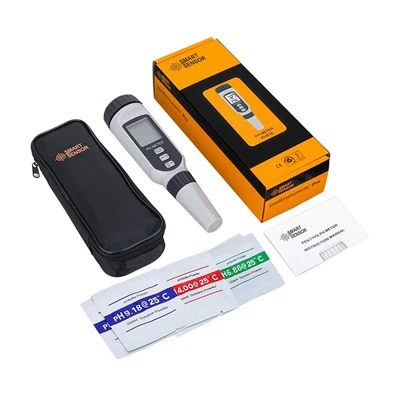
For example, store the hygrometer in a hot, damp, and dirty box that is loosely placed at the back of the truck, bouncing randomly and not lasting almost as long as the gauge kept in a suitable suitcase. Delmhorst's hygrometer is equipped with a box to protect the operation between them.
However, storage does not just mean keeping the instrument between two tasks. When working, do you keep the instrument in a practical bag while moving? Placing the instrument in a small bag not only allows your hands to freely climb ladders and other activities, but also places your hygrometer in a safe location, exposing it to fewer pollutants, let alone fewer opportunities for disposal.