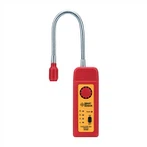
Guidance on how to operate toxic gas detectors underground
Guidance on how to operate toxic gas detectors underground: The main occupational hazards for people working underground are anoxic asphyxiation, hydrogen sulfide poisoning and combustible gas explosions. The most common phenomenon is hydrogen sulfide poisoning. The composite gas detector can promptly detect the concentration of toxic and harmful gases in the well and automatically alarm.
1. Asphyxiation by carbon dioxide and gas. In addition to artificial respiration and oxygen resuscitation for the injured caused by carbon dioxide and gas suffocation, their skin must be rubbed or made to smell ammonia to promote recovery of breathing. poisoned by carbon monoxide.
2. Hydrogen sulfide poisoning. In case of hydrogen sulfide poisoning, in addition to performing artificial respiration or resuscitation device to deliver oxygen, cotton balls, handkerchiefs, etc. soaked in chlorine solution can be placed into the mouth. Chlorine is a good detoxifier for hydrogen sulfide.
3. Sulfur dioxide poisoning. Since sulfur dioxide reacts with water to form sulfuric acid, it has a strong stimulating effect on the respiratory system and may cause burns in severe cases. Therefore, in addition to artificial respiration or oxygen resuscitator, the poisoned wounded should be given milk, honey or gargled with soda solution to relieve the pain. Stimulate.
4. Dioxide atmosphere poisoning. The most prominent symptoms of carbon dioxide poisoning are yellowing of fingertips and hair, as well as cough, nausea, vomiting and other symptoms. Because nitrogen dioxide poisoning will cause pulmonary edema in the wounded, artificial respiration cannot be used. If a resuscitator must be used to resuscitate, carbon dioxide cannot be mixed with pure oxygen to avoid irritating the lungs of the wounded. It is best to enable the wounded to breathe on their own with the oxygen supplied by the resuscitator.
5. Carbon monoxide poisoning, shallow and rapid breathing, red spots on cheeks and body, and pink lips when unconscious. For poisoned casualties, artificial respiration or oxygen resuscitation can be used. When delivering oxygen, 5% to 7% carbon dioxide can be infiltrated to stimulate breathing and promote recovery of respiratory function.
Gas detector related product categories: composite gas detection alarm, fixed digital display gas detector, ultra-long standby waterproof and explosion-proof portable gas detector