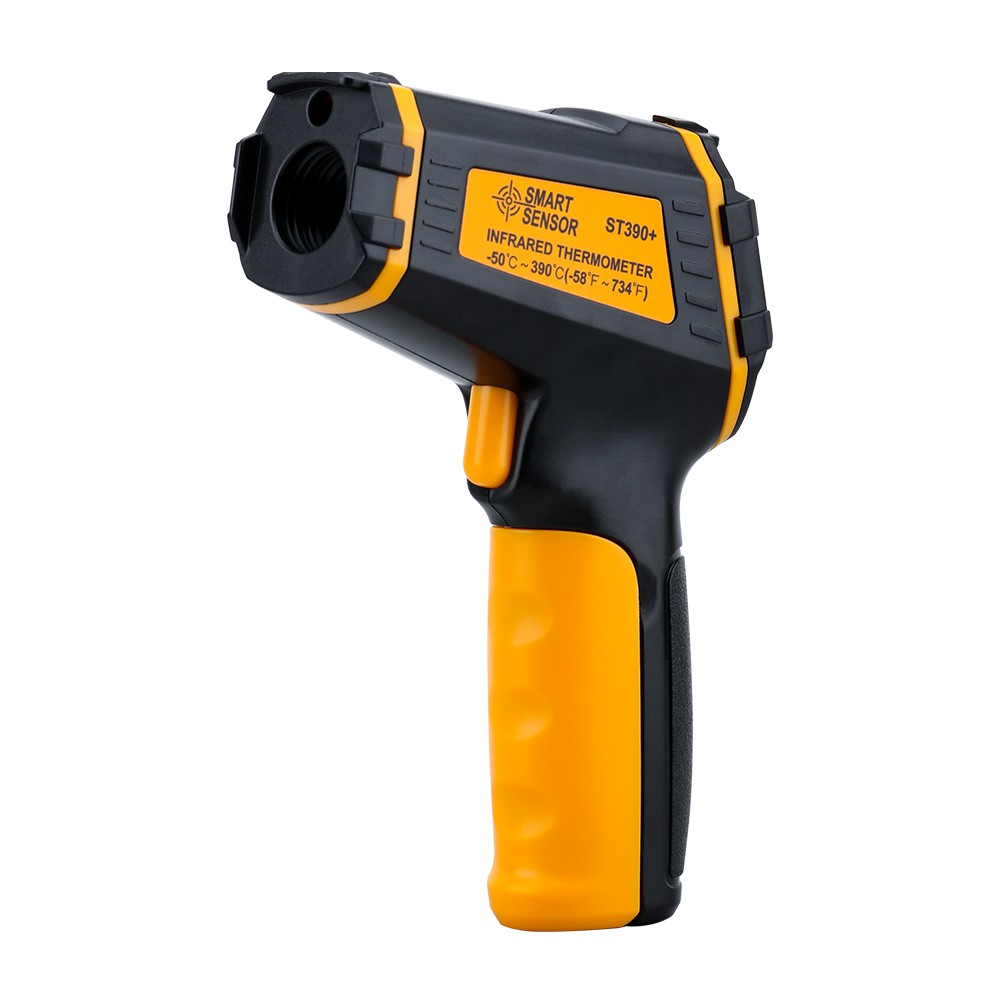
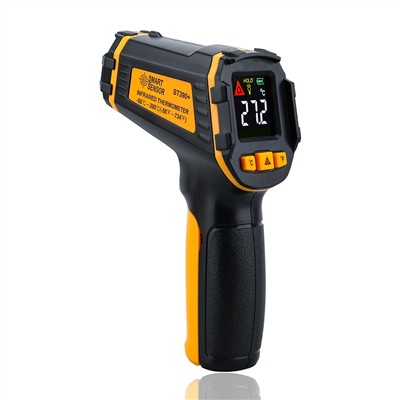
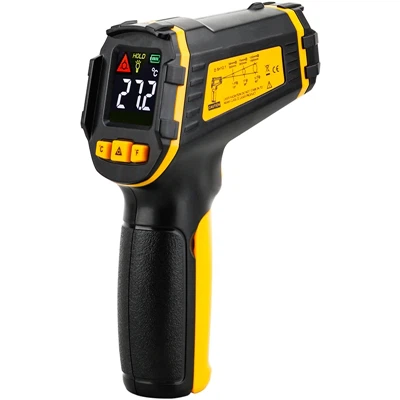
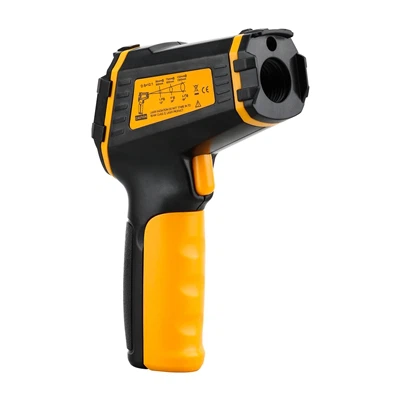
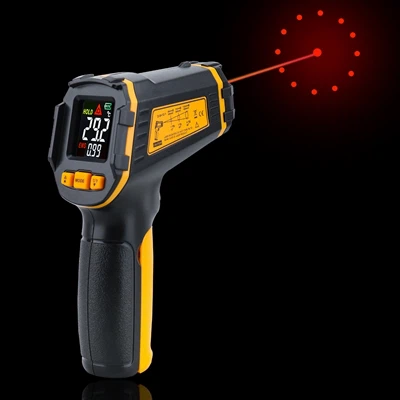
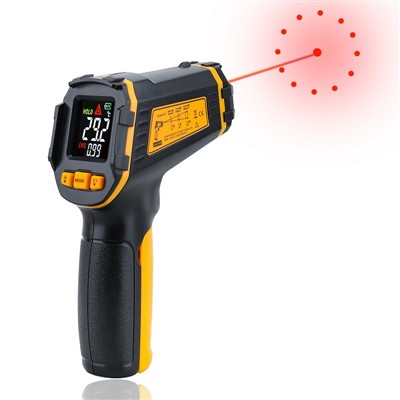
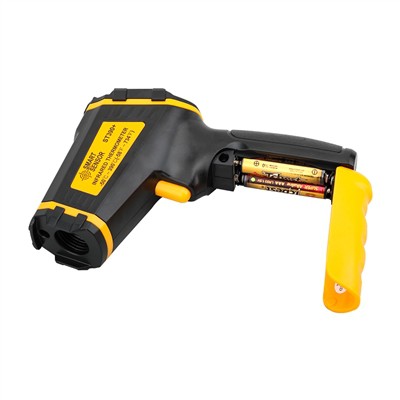
high‑temperature imaging thermometer /high‑temperature thermographic camera
Temperature measurement is essential for numerous processes in the iron and steel industry. Thermocouples are commonly adopted for most working conditions. Nevertheless, contact measurement is unfeasible in certain scenarios, owing to moving solid steel materials or harsh environments that preclude the use of contact probes. For such special operating conditions, high‑temperature imaging thermometers deliver outstanding advantages through image‑based temperature measurement.
Long‑range imaging combined with non-contact temperature measurement is well suited to multiple steel production processes, such as heating furnaces and rolling mills. By flexibly integrating video imaging with infrared temperature measurement, high‑temperature imaging thermometers serve as an ideal tool to optimize monitoring and temperature detection performance. This integrated solution creates new options for steel mills that have not previously deployed monitoring cameras, and greatly simplifies furnace maintenance. This article focuses on the potential application scenarios of high‑temperature imaging thermometers in steel plants, and describes temperature measurement methods for solid and molten steel.
Temperature Measurement in the Iron and Steel Industry
In general, infrared temperature measurement of steel is challenging due to its low emissivity. Emissivity is an inherent material property, which quantifies the amount of infrared radiation emitted by a surface in comparison with an ideal blackbody - a perfect radiator with an emissivity of 1. A higher emissivity value means more radiant energy reaches the detector. Fundamentally, the higher the emissivity, the simpler and more accurate the surface temperature measurement.
For steel products, emissivity varies with temperature, surface condition and chemical composition. Surface status is the dominant factor affecting emissivity. For example, non‑oxidized stainless steel in production processing has an emissivity of approximately 0.4. For heavily oxidized and dark surfaces, the value rises to 0.8, while polished bright surfaces have a low emissivity of around 0.2.
High‑temperature imaging thermometers allow independent and flexible emissivity adjustment for any cursor‑selected area on the display screen. Therefore, reliable and stable temperature readings can be obtained as long as the physical parameters and characteristics of the processed raw materials are clearly defined.