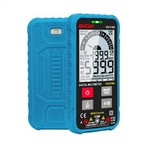
How can the moisture meter values for various types of wood be corrected?
With pin and pinless moisture meters, the type of wood will affect the readings you get. For pin gauges, the difference in readings is due to the different inherent resistive properties of different species of wood. For pinless gauges, the specific gravity (SG) of the wood will affect the reading.
Each moisture meter is usually calibrated using a specific species of wood, such as Douglas fir or oak, which makes the meter accurate for that type of wood but less accurate for others.
In general, there are two ways to correct readings for a given species of wood:
Use the species correction table provided by the meter manufacturer.
Use a meter with built-in species correction.
Using a meter with built-in correction is often easier and faster than referring to a manual and doing the math yourself.
Does temperature affect the accuracy of meter readings?
Wood Moisture Meter FAQs and Answers Picture 3 The short answer is yes, but usually to a very small extent in needle meters. As the temperature of the wood increases, its electrical resistance decreases, resulting in an increase in the indicated %MC for this sample. For field conditions, if the temperature of the wood sample tested is between 50°F (10°C) and 90°F (32.2°C), there is no need to correct the temperature readings.
When measuring wood materials that exceed these temperature values, and the meter itself does not have a built-in temperature correction, you can use the temperature correction chart to find the correction (Delmhorst provides these with every hygrometer).
Needleless meter readings do not measure electrical resistance, so their readings are not affected by the temperature of the wood unless the sample is completely frozen.