How to choose thermal imagers and night vision devices when using them
I believe everyone has heard of thermal imaging systems and night vision systems, and they have some understanding of their respective functional strengths. However, how to choose when using them?
Night vision devices must have light
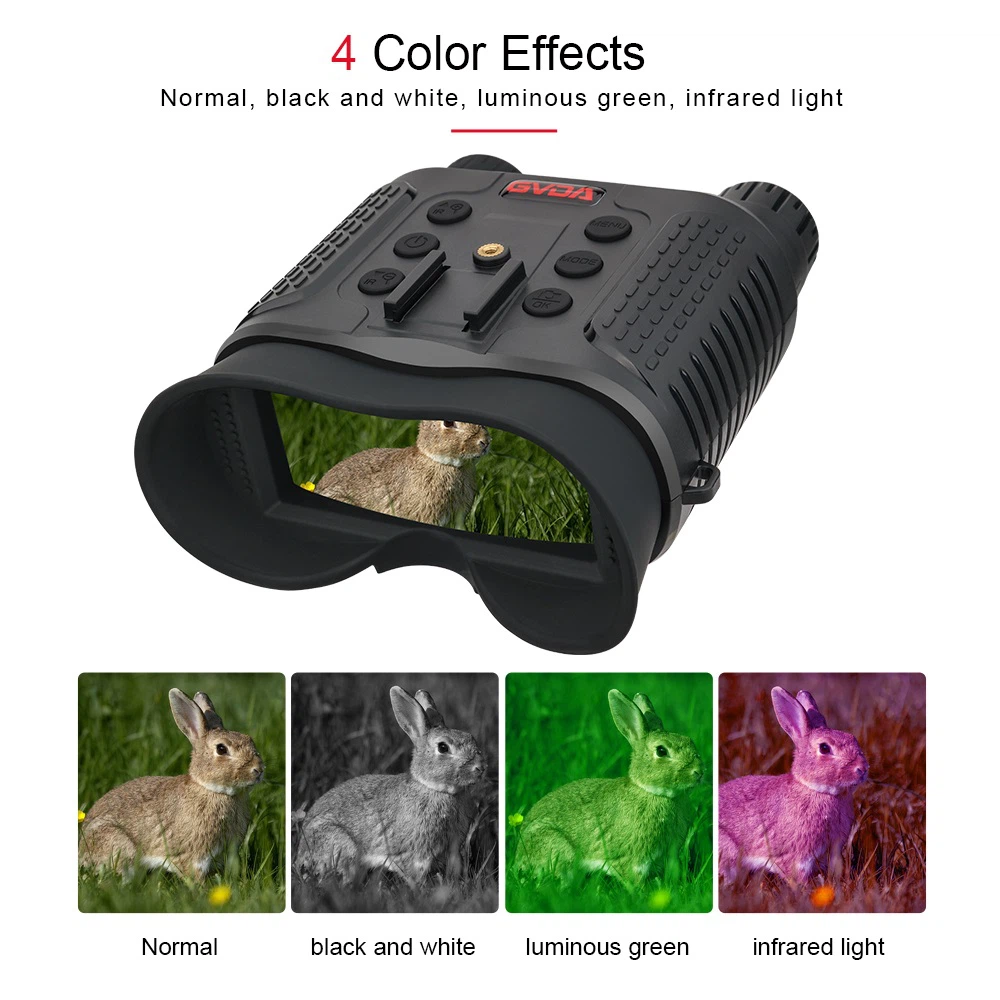
Night vision devices actively receive and image, just like our eyes can see reflected light. The working principle of daylight cameras, night vision devices, and human eyes is the same: visible light energy hits an object and reflects it out, and then the detector receives and converts it into an image. Whether it is the eyes or night vision devices, these detectors must receive sufficient light, otherwise they cannot image.
Those green pictures we see on movies or TV come from Night-vision device or other devices that use the same core technology. NVGs receive a small amount of visible light, amplify it, and project it onto the display.
Cameras made with NVGs technology have the same limitations as the naked eye: without sufficient visible light, they cannot be seen clearly. NVGs and other low light cameras cannot work in environments with too strong or too weak light. Because the light is too strong, it cannot work effectively, but there is not enough light to be seen with the naked eye.
Thermal imaging cameras do not require light sources
A thermal imager can have no light source at all. Although we call them 'cameras', they are actually sensors. FLIRs use thermal energy instead of visible light to capture images, and both heat (also known as infrared or thermal energy) and light are part of the electromagnetic spectrum.
The Philippe thermal imager can not only detect heat, but also detect small differences in heat, even as small as 0.01 degrees Celsius, and display them as gray or in different colors. This may be a difficult idea to understand, and many people just don't understand this concept, so we will take some time to explain it.
All objects we encounter in daily life release heat energy, even ice. The hotter an object is, the more thermal energy it releases. This emitted thermal energy is called a "thermal signal". When two adjacent objects have subtle different thermal signals, even in completely dark environments, they will clearly appear on the FLIR thermal imager.
Because different materials absorb and radiate heat energy at different rates, this is the true apple and plastic apple model. It is not different under night vision cameras, but there is a significant difference under thermal imaging, and the Ferrier thermal imaging system can convert the detected temperature differences into image details. Although all of this may seem quite complex, the reality is that the Ferrier thermal imager is very easy to use.
Selecting a thermal imager
All these visible light cameras, such as daylight cameras and NVG cameras, operate by detecting the energy of reflected light. But the amount of reflected light they receive is not the factor that determines whether you can see it with these cameras: image contrast is also important. For example, at night, when there is a lack of visible light, the image contrast naturally decreases, which greatly affects the performance of visible light cameras.
Thermal imagers do not have these drawbacks. The thermal imager captures things by relying on thermal signals, which is why it is easier for you to see things at night using a thermal imager than using a visible light camera, or even a night vision camera. The Thermographic camera can well observe the difference between things, because they not only use heat to image, but also reflect the small thermal difference between objects.
Night vision devices have the same drawbacks as daylight and low light television cameras: they require sufficient light and contrast to produce usable images. On the other hand, thermal imagers can clearly see objects during the day and night, while generating their own contrast. There is no doubt that Thermographic camera is a 24-hour imaging option.