How to install and maintain gas detectors?
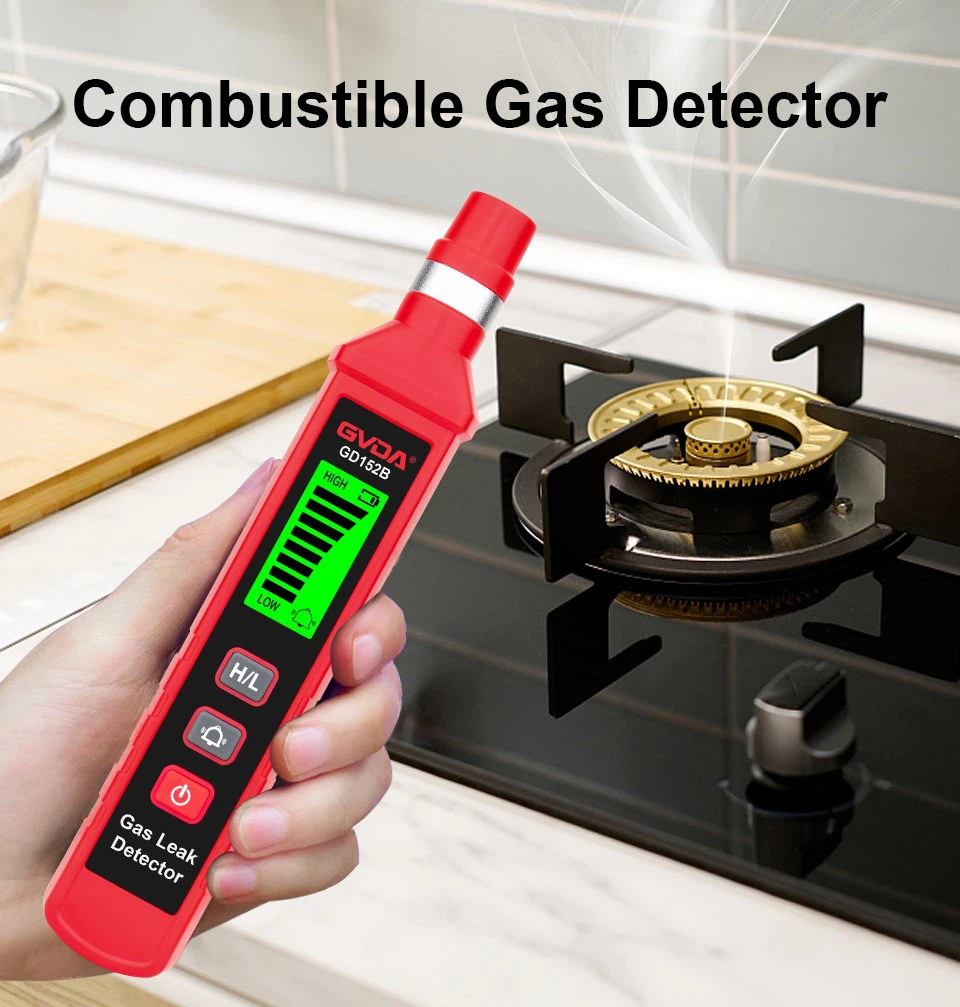
Gas detectors are mainly divided into two types: portable gas detectors and handheld gas detectors. They are an instrument tool that sense toxic and harmful gases in the environment through sensors and issue early warnings. When using a gas detector, you must Correct installation can ensure normal use. Let's briefly introduce it below.
Gas detector installation
The first step is to install the gas detector in an area where there may be gas leakage. The installation of the gas detector must be firm, and the installation location is determined based on the specific gravity of the gas being measured relative to air. Since the specific gravity of the gas being measured is smaller than that of air, the detector should Install it 30 to 60cm away from the ceiling. Fix the detector to the wall with expansion screws.
However, in order to ensure the correct use of the detector and prevent its failure, the following are the phenomena to pay attention to (where it is difficult to install):
1. Places where the temperature is below -40℃ or above 70℃
2. Air supply vents, ventilation fans, doors and other places with large air flow
3. Places with a lot of water vapor and water droplets (relative humidity: greater than 90%)
4. Places directly affected by steam and oil fume
The second step is wiring: Use highly shielded wires to prevent interference to electrical signals. Arrange the wires and open the top cover.
1. The gas detector of the gas detector generally adopts a three-wire transmission system. The positive electrode of the power supply is marked (terminal marked "VCC"), the signal line (terminal marked "SIG"), and the negative electrode of the power supply (terminal marked "GND"). ) respectively correspond to the "24V, mA and GND" of a set of terminals marked "4-20mAIN" on the access channel module. The chassis ground (the shielding network of the cable) is well grounded. After connecting the wires, tighten the chassis.
2. Start up: After wiring is completed, power is supplied to the detector. After just starting, the reading will go from over-range to stable reading, which takes about 15 minutes.
In addition to proper installation, you should also know about simple repairs.
1. Sensor maintenance: Generally, re-inspection and calibration are required after half a year to one year of installation and use, and a test report will be issued by the detector.
2. When the sensor of the gas detector loses its sensitivity, it needs to be replaced. Metal tube float flowmeter, turbine flowmeter, vortex flowmeter. Through regular calibration, you will know whether the sensor has failed. When the calibration value does not reach the standard gas value, you need to replace it. Replace sensor.
3. Inspection of the gas detector: The detector should be checked regularly. Its signal current in clean air is DC4mA.