How to maintain a gas detector on a daily basis
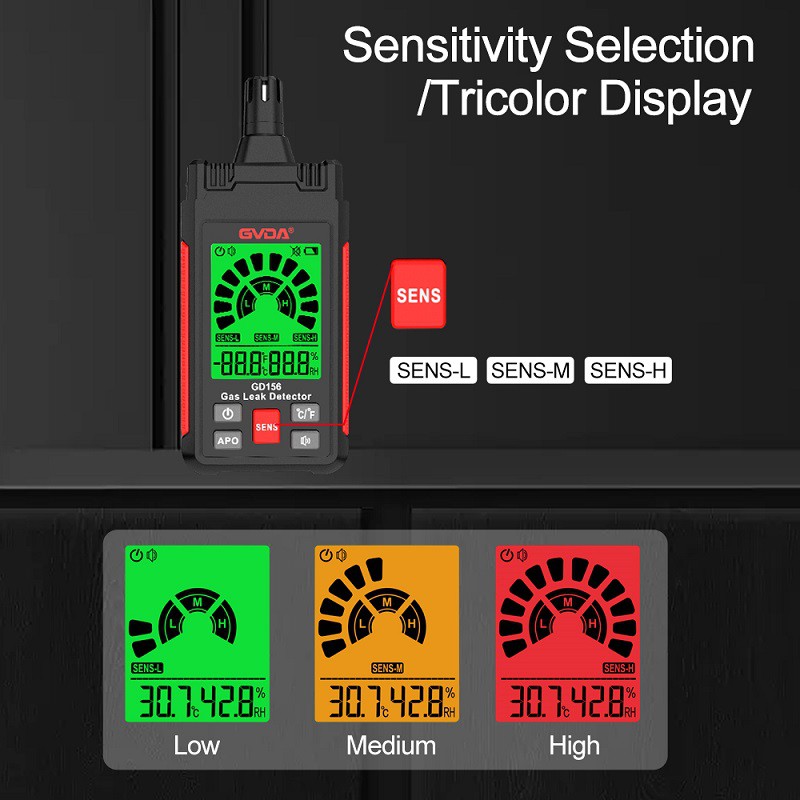
The gas detector is a common instrument in our daily production. Due to the existence of a large number of toxic and harmful gases in the industrial environment, the gas concentration can be quickly detected through the gas detector. However, since the instrument will cause performance problems after long-term use, in order to ensure its service life and accuracy, it needs to be maintained and maintained.
Gas detector maintenance method
1. Regularly check the gas flow rate. The general gas flow rate is 30/h. When the flow rate through the instrument is too large or too small, it will have a great impact on the measurement results of the gas detector.
2. After a period of use, the filter paper should be replaced regularly: when replacing the filter paper, the air pump should be stopped and the filter tank should be emptied.
3. Check whether there is any air leakage in the air system during use. Whether the diaphragm of the suction pump in the instrument is damaged, whether the sealing ring of the sampling probe is damaged, whether the four-way valve, condensate and other components are damaged, etc., regular inspection and maintenance are very necessary.
4. Regularly clean the sampling probe and dredge the sampling hole pipeline.
5. During the use of the gas detector, attention should be paid to check whether the working state of the condenser is normal. Usually, the operating temperature of the instrument is adjusted within 3 degrees Celsius.
6. It is necessary to regularly check whether there are impurities in the metering room, and it needs to be cleaned in time.
The gas detector needs to adopt the correct operation method in the application, and it is also very necessary to maintain it after use. Regular maintenance of the instrument can ensure that its performance and life can achieve the expected results. If the user is using it If you do not pay attention to the maintenance of the instrument, the measurement results of the instrument may be deviated, resulting in inaccurate measurement results and other situations.