How to test the load cell using a multimeter
Industrial weighing (using devices like belt scales, floor scales, electronic scales, human scales, etc.), force testing, and tension and pressure measuring are common uses for load cells. The load cell typically fails in the following ways while being used in the field.
1. An overloaded sensor. User and manufacturer have not been in clear communication. The sensor's measuring range does not correspond to the weight and force that actually exist. As a result, the sensor becomes overloaded and the resistance of the sensor's bridge arm deforms, throwing off the circuit's balance and overloading the sensor. The output signal swings, the resistance is infinite, and other issues with the sensor prevent it from operating normally.
2. The sensor's lead wire is damaged, and the user failed to utilize safety precautions while operating the device. The sensor's lead wire is damaged. In most cases, a sensor lead wire break at the interface will result in the sensor not responding or an abrupt shift in the measured value. 3. Inappropriate sensor use The impact, shearing, and torsion forces experienced when using the static sensor gravely harm it and render it irreparable.
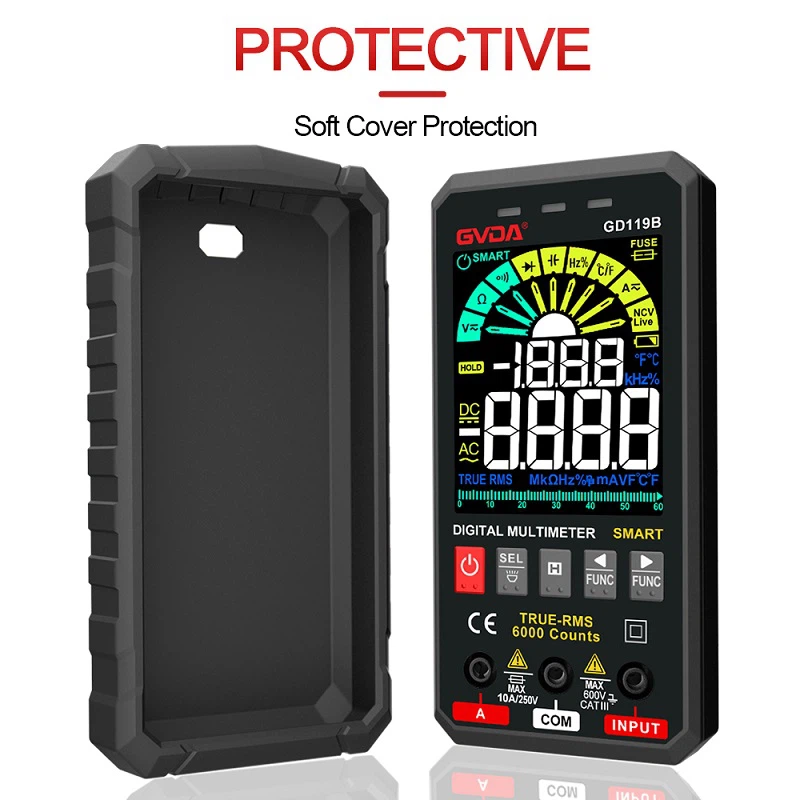
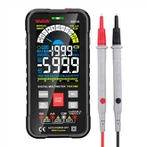
So, how can we efficiently use the multimeter to find common load cell defects on the spot?
1. Sensor manufacturers provide sensor output sensitivity and power supply voltage before leaving the factory. We detect sensor output signals based on these two parameters. The strain gauge load cell outputs an analog signal millivolt voltage. For example, the sensor output sensitivity is 2.0mV/V, and the power supply voltage is DC10V. The two parameters can provide us with the sensor excitation voltage that requires DC10V, and the sensor output signal corresponds to a linear relationship of 2.0mV per 1V excitation voltage. For example, the full scale of the sensor is 50KG, then the full scale output of DC10V voltage to the sensor is 20mV. According to this relationship, we use the multimeter mV gear to measure the output signal of the sensor. It is normal for the no-load output of the sensor to be 0mV, which is greater than this value, but close to this value, and the value change means that the sensor has zero drift. If the value is large, it means that the sensor is damaged or the internal bridge is a circuit, and the resistance of the bridge arm is asymmetrical.
2. According to the sensor parameters, input resistance and output resistance provided by the sensor factory, judge whether the sensor strain gauge is damaged. Sensor input and output resistance values vary from manufacturer to manufacturer. So this should be tested according to the manufacturer's label. Use a multimeter to detect the ohm position, the resistance of the power supply and the power ground, and the resistance of the signal line and the signal ground. If it is larger than the factory resistance value, it means that the sensor has been overloaded and the strain gauge is deformed. If the resistance value is infinite, the sensor strain gauge is seriously damaged and cannot be repaired.
3. Because the lead wire is often broken during the use of the sensor, but the outer layer of the sheath wire is intact, so the sensor wire is in good condition by visual inspection. We use the ohm gear of the multimeter to detect the continuity of the sensor wire. If the resistance is infinite determine a break, if the resistance changes bad contact.