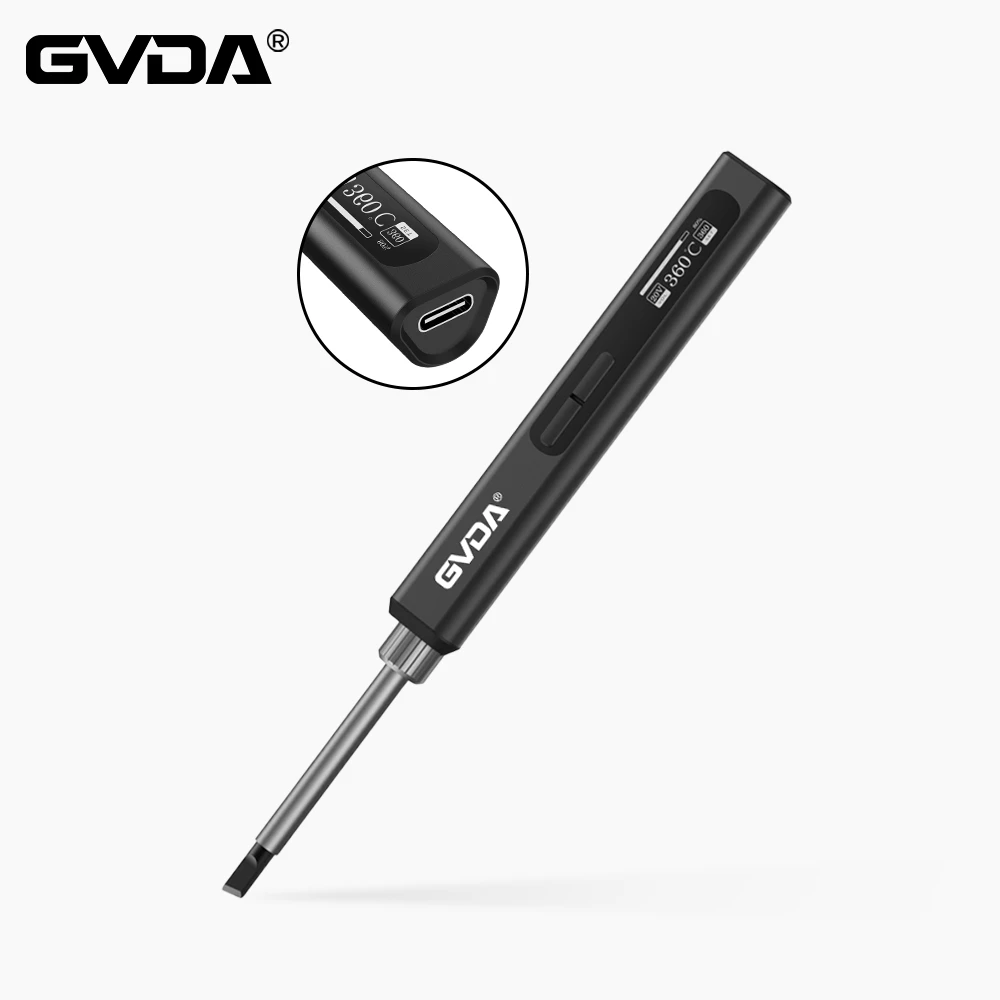
How to weld aluminum parts with an electric soldering iron
In radio and home appliance maintenance, it is sometimes necessary to weld small aluminum components because the surface of aluminum components is easily oxidized, making it difficult for beginners to weld firmly. The author referred to relevant aluminum welding materials and achieved success through experiments. This article introduces several practical methods for soldering aluminum with tin for reference.
Firstly, apply welding flux to the welding area of the aluminum component, then soak the hot soldering iron in tin and preheat it at the welding area. When the temperature rises, the soldering flux becomes thicker and thinner, and then add some soldering flux and soldering tin to cover the soldering iron head. Then, use the soldering iron head to friction before and after the welding area, and the friction distance should not be too large. Generally, the aluminum oxide film on the surface of the aluminum component should be scratched at the soldering iron head between 3 and 5mm.
Due to the presence of molten tin covering and air separation at the welding site, it is impossible to generate a new oxide film, while tin can timely adhere to the aluminum parts that have just been removed from the oxide film.
Waiting for the molten tin to change from a spherical shape to a flat shape indicates that the aluminum component has firmly bonded with the tin. At this point, stop friction and wipe off the remaining solder while it is hot. Then, it is convenient to weld with the pre dipped tin wire head or other components.
Second, drop a few drops of dilute hydrochloric acid at the welding point of aluminum components to remove the surface oxide film. Wait a moment, then add a few drops of concentrated Copper(II) sulfate solution. When the welding point is completely covered with copper, wash off the excess Copper(II) sulfate solution and hydrochloric acid solution with water, and then use a 45-75W soldering iron to weld. The effect is good.
Thirdly, take a piece of aluminum and put it into a crucible for heating and melting, then add 2-5 times the amount of tin to melt and use it. Welding according to conventional methods is very convenient.
Fourth, apply a layer of Mercury(II) nitrate solution on the cleaned aluminum surface, use a 100w soldering iron head to eat more tin, and use the soldering iron head to rub and apply Mercury(II) nitrate solution on the welding surface. This allows for a firm soldering.
Note: Mercury is toxic. Welding shall be conducted in a ventilated place, and highly toxic Mercury(II) chloride shall not be used.
Fifthly, for the welding of aluminum parts using the earth method, prepare the white powder foam for sawing the fiberglass board in advance, place it on the surface of the welding site, use a 75W soldering iron to vigorously rub the welding surface until a layer of tin is attached to the aluminum surface, and then use a cloth to remove the mixture of white powder foam and rosin. At this point, the same method can be used for welding. After practice, this method is simple and the welding effect is satisfactory.
It is also advisable to mix rosin and iron filings, and then use sandpaper to polish the surface of the aluminum part. Place rosin and iron powder on the smooth surface of the welding joint, rub repeatedly with a soldering iron to make the aluminum surface eat a layer of tin, and then follow the usual method to smoothly weld.
Sixth, first polish the surface of the welding area of the aluminum component, then drop a few drops of sewing machine oil with sufficient amount of oil. Then use a sharp knife to scrape the welding area back and forth several times, and then use a soldering iron dipped in soldering tin and rosin to rub back and forth at the welding area. The tin will quickly firmly adhere to the aluminum component, which is also relatively simple and practical.