Infrared low-light night vision technology
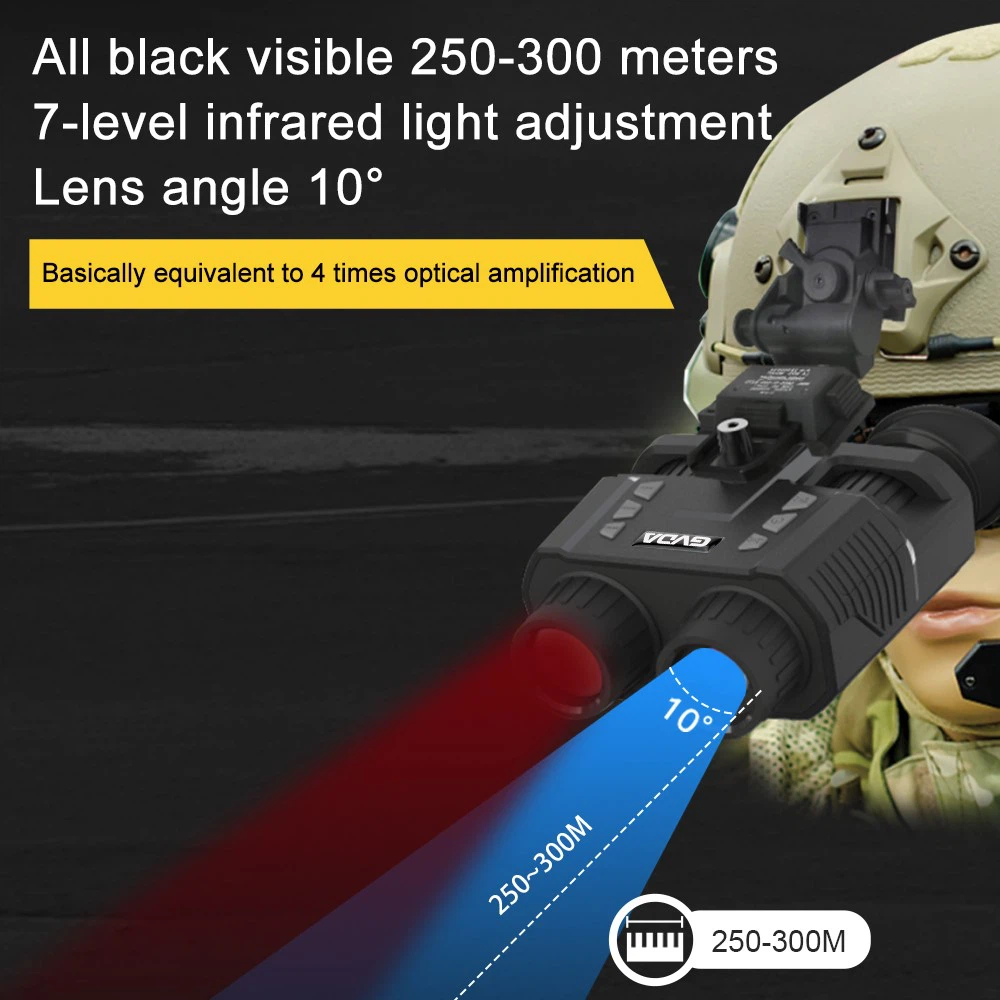
The infrared low-light night vision device integrates two technologies, and has two functions of infrared night vision and low-light night vision.
Night vision technology is a photoelectric technology that realizes night observation by means of photoelectric imaging devices. Night vision technology includes low-light night vision and infrared night vision.
Low-light night vision technology, also known as image intensification technology, collects and intensifies the existing light by focusing the light on the image intensifier through the eyepiece. Inside the intensifier, a photocathode will be "activated" by light and convert photon energy These electrons are accelerated by an electrostatic region located inside the intensifier, and then hit the phosphor surface screen (like a green TV screen), forming images visible to the human eye. Through the acceleration of electrons, the brightness and image clarity are enhanced. The new digital night vision device adopts the 2nd and 3rd generation image intensifier tubes, the edge of the field of view is no longer blurred, and it works very well in complete darkness and long-distance use. Low-light night vision device is currently the night vision equipment with the largest production volume and equipment in foreign countries and the most widely used. It can be divided into direct observation (such as night vision observer, weapon sight, night driving device, night vision glasses) and indirect observation. Observation (such as low-light television) two.
Infrared night vision technology is divided into active infrared night vision technology and passive infrared night vision technology. Active infrared night vision technology is a night vision technology that implements observation by actively illuminating and using the infrared light reflected by the target to reflect the infrared source. The corresponding equipment is an active infrared night vision device. Passive infrared night vision technology is an infrared technology that realizes observation by means of infrared radiation emitted by the target itself. It finds the target according to the temperature difference or thermal radiation difference between the target and the background or each part of the target. Its equipment is a thermal imager. Thermal imagers have unique advantages different from other night vision devices, such as being able to work in foggy, rainy, and snowy weather, having a long range of action, being able to identify camouflage and anti-jamming, etc., which have become the focus of the development of foreign night vision equipment, and Will replace the low-light night vision device to a certain extent.