Introduction to 4 key points of soldering with electric soldering iron
1. Selection of soldering iron
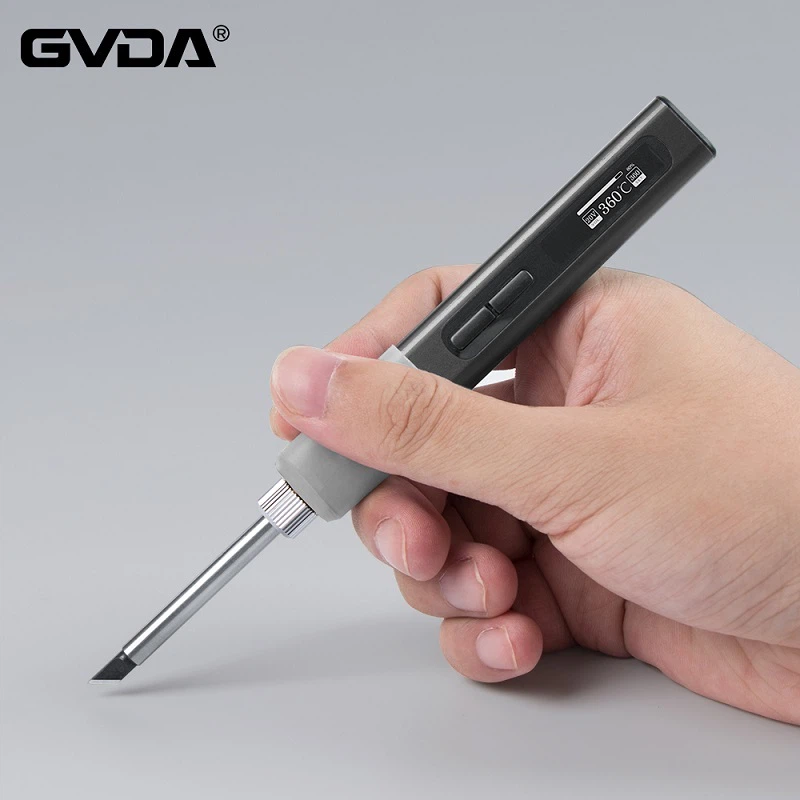
The power of the soldering iron should be determined by the size of the solder joint. The larger the solder joint area, the faster the heat dissipation of the solder joint. Therefore, the power of the soldering iron should also be larger. Generally, the power of soldering irons is 20W, 25W, 30W, 35W, 50W and so on. It is more appropriate to choose a power of about 30W.
After the electric soldering iron is used for a long time, a layer of oxide will be formed on the head of the soldering iron. At this time, it will not be easy to eat tin. At this time, you can use a file to remove the oxide layer. After the soldering iron is powered on, insert rosin when the head of the soldering iron is slightly hot. , apply solder and you can continue to use it. The newly purchased soldering iron must also be tinned before it can be used.
2. Solder and flux
Choose low melting point solder wire and non-corrosive flux, such as rosin. It is not suitable to use industrial solder and corrosive acidic soldering oil. It is best to use solder wire containing rosin, which is very convenient to use.
3. Welding method
Components must be clean and tin-plated. When electronic components are being stored, due to the oxidation of air, there will be an oxide film on the component pins, as well as other dirt. Before welding, you can use a knife to scrape off the oxide film and immediately apply a layer of it. Solder (commonly known as tin enamel), and then solder. After the above treatment, the components are easily soldered firmly and the phenomenon of false soldering is less likely to occur. Welding temperature and welding time
When welding, the temperature of the electric soldering iron should be higher than the temperature of the solder, but not too high. It is better for the soldering iron tip to just smoke when it touches the rosin. If the welding time is too short, the temperature of the solder joints will be too low, the solder joints will not melt sufficiently, and the solder joints will be rough, which can easily lead to false soldering. On the contrary, if the welding time is too long, the solder will flow easily, and the components will easily be overheated and damaged.
The number of tinned solder joints
The amount of solder on the soldering point cannot be too small. If it is too small, the welding will not be strong and the mechanical strength will be too poor. And too much can easily cause a lot of things on the outside but not connected on the inside. The solder should just immerse all the component pins on the soldering point, and the outline should be vaguely visible.
Pay attention to the position of the soldering iron and solder joints
When welding, beginners usually move the soldering iron back and forth over the welding point or squeeze it hard. This method is wrong. The correct method is to use the tin-lined surface of the soldering iron to contact the soldering point, so that the heat transfer area is large and the soldering speed is fast.
4. Inspection after welding
After welding, it is necessary to check whether there are any missing solders, weak solders, and component short circuits caused by solder flow. Welding is difficult to detect. You can use tweezers to hold the component pins and gently pull them. If shaking is found, repair the soldering immediately.