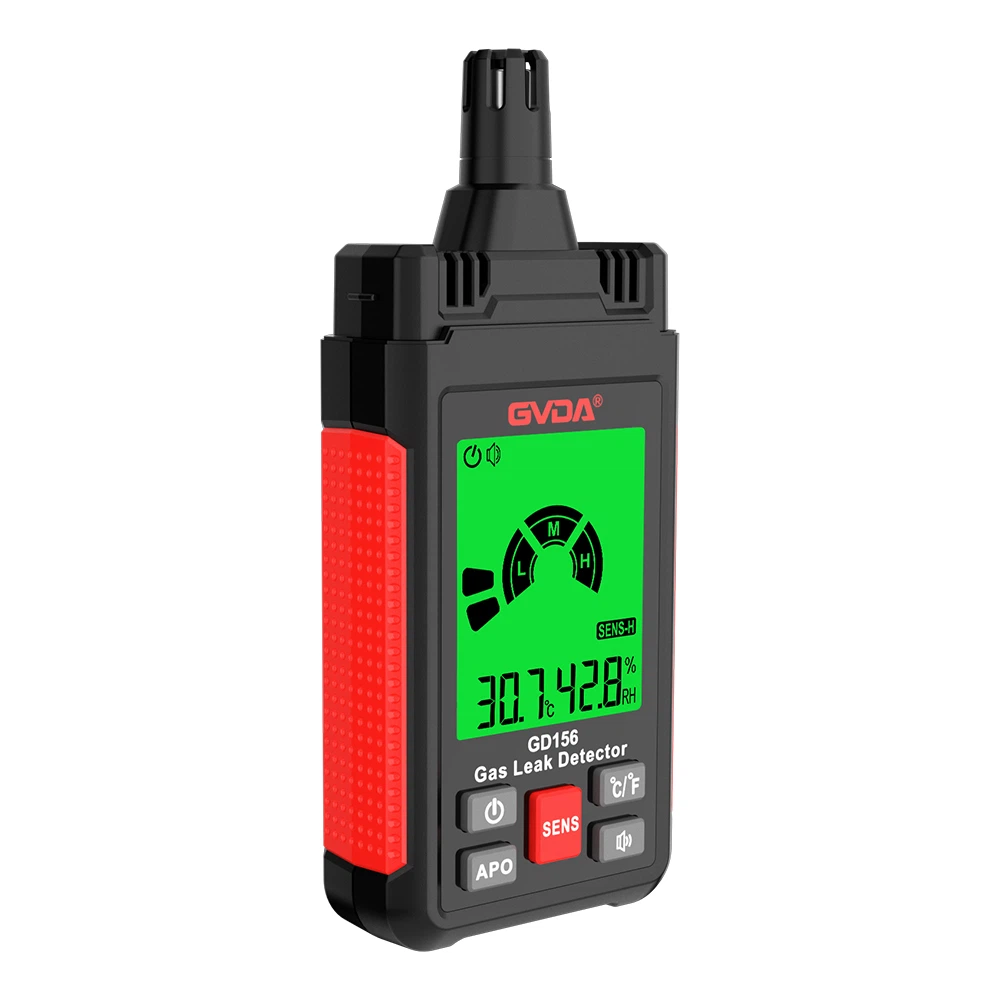
Introduction to the numerical range of the four-in-one gas detector
What are the factors that affect the service life of the gas detector?
As one of the commonly used detection instruments in industrial production, the gas detector can detect the concentration of toxic and harmful substances in production, and an alarm will be issued when the preset alarm value is reached, so as to ensure the personal safety of the front desk personnel. So what factors will affect the service life of the gas detector?
Factors affecting the service life of gas detectors:
1. Changes in temperature affect the actual amount of oxygen in the atmosphere. If the temperature of the working space fluctuates greatly, the detection results of the gas detector may drift. In this case, the gas detector should be calibrated to zero on site to minimize the influence of temperature on the detection results of the gas detector.
2. As the air humidity in the working space increases, the water vapor in the air will drive away the oxygen, resulting in a possible drop in the oxygen reading. This effect will not be noticed immediately, but will slowly affect the oxygen readings and test results over several hours. Therefore, when checking the air, pay attention to the temperature and humidity of the air in the working air, and adjust the testing equipment.
3. At present, many gas detectors can replace the detection sensor, but this does not mean that a detector can use different detector probes at any time. Whenever a probe is replaced, not only does it require a certain amount of sensor activation time, it also requires recalibration of the instrument.
4. The gas detector has a fixed detection range for various toxic and harmful gas detectors. The instrument can only measure accurately if the measurement is completed within its measurement range. If the measuring range is exceeded for a long time, it may cause permanent damage to the sensor.
Share relevant content here. Gas detectors are widely used in on-site detection in petrochemical, coal, metallurgy, chemical industry, municipal gas, environmental monitoring and other places. It can meet the measurement requirements of special occasions; it can perform gas concentration detection or leakage detection on tunnels, pipelines, tanks, closed spaces, etc.